
Comma After Of Course
Comma After Of Course - Transitional phrases must always have a comma. Use a comma to set apart an introductory word or phrase. Learn how to use commas before and after of course in different sentence positions. The presence or absence of a comma after “of course” can make a difference, and any source (including your grammar checker) that suggests “of course” always needs to be followed by a. Had i written something like evidently, it's very easy to., i'd feel like there should be a comma in there. Here, the oxford comma appears after “green.” its usage is more common in american english, whereas british english often omits it. The choice of using the oxford. See examples, usage notes and warnings. Learn how to use of course to refer to obvious or known facts, to express agreement or permission, or to mean 'yes'. Should the be a comma after of course? The comma, first and foremost, represents a pause in the spoken language. Transitional phrases must always have a comma. Do not place a comma after the last item in the list (see fourth example below) unless the structure of the sentence otherwise requires it (see third example below, in which the comma. Of course is a smooth phrase when you use it this way, but it's only correct when you give it a comma. These are comedic examples, of. Use a comma to set apart an introductory word or phrase. For example, if i write of course i do, it underlines the word 'course' and suggests. A single comma, em dash or semicolon can totally alter the point of a sentence. Of course, even if the problem is serious, we. Why do you think there are pauses in. Place a comma before and after “and of course” to neatly nestle it within the sentence. Transitional phrases must always have a comma. Had i written something like evidently, it's very easy to., i'd feel like there should be a comma in there. Learn how to use of course to refer to obvious or known facts, to express agreement or. Of course, even if the problem is serious, we. The choice of using the oxford. The presence or absence of a comma after “of course” can make a difference, and any source (including your grammar checker) that suggests “of course” always needs to be followed by a. Grammarly) to suggest a comma follow 'of course'. But the above sentence doesn't. These are comedic examples, of. Alternatively, if you are stating that what succeeds of course is obvious, you'd keep of course as part of one sentence, with the comma after it: Do you pause anywhere when you say of course i don't? See examples of of course as an introductory clause, a parenthetical element, or a conjunction. Of course is. Had i written something like evidently, it's very easy to., i'd feel like there should be a comma in there. When a sentence doesn’t begin with the subject but has instead an introductory word or phrase, a comma must separate the. See examples of of course as an introductory clause, a parenthetical element, or a conjunction. Transitional phrases must always. The comma, first and foremost, represents a pause in the spoken language. Why do you think there are pauses in. Had i written something like evidently, it's very easy to., i'd feel like there should be a comma in there. See examples of of course as an introductory clause, a parenthetical element, or a conjunction. The choice of using the. Of course is a smooth phrase when you use it this way, but it's only correct when you give it a comma. The presence or absence of a comma after “of course” can make a difference, and any source (including your grammar checker) that suggests “of course” always needs to be followed by a. Use a comma + a little. When a sentence doesn’t begin with the subject but has instead an introductory word or phrase, a comma must separate the. Transitional phrases must always have a comma. Do you pause anywhere when you say of course i don't? The choice of using the oxford. It aids in maintaining the intended rhythm and tone of the. It aids in maintaining the intended rhythm and tone of the. Of course, even if the problem is serious, we. The presence or absence of a comma after “of course” can make a difference, and any source (including your grammar checker) that suggests “of course” always needs to be followed by a. Learn how to use commas before and after. Use a comma + a little conjunction (and, but, for, nor, yet, or, so) to connect two independent clauses, as in he hit the ball well, but he ran toward third base. But the above sentence doesn't feel right. The choice of using the oxford. These are comedic examples, of. Here, the oxford comma appears after “green.” its usage is. The presence or absence of a comma after “of course” can make a difference, and any source (including your grammar checker) that suggests “of course” always needs to be followed by a. Grammarly) to suggest a comma follow 'of course'. To ensure correct punctuation, your comma use here is twofold: Punctuation may be small, its rules arbitrary, but it is. We never got to eat the cake, of. Use a comma to set apart an introductory word or phrase. When a sentence doesn’t begin with the subject but has instead an introductory word or phrase, a comma must separate the. Transitional phrases must always have a comma. A single comma, em dash or semicolon can totally alter the point of a sentence. The choice of using the oxford. Why do you think there are pauses in. Punctuation may be small, its rules arbitrary, but it is mighty. Of course, even if the problem is serious, we. To ensure correct punctuation, your comma use here is twofold: Learn how to use of course to refer to obvious or known facts, to express agreement or permission, or to mean 'yes'. The comma, first and foremost, represents a pause in the spoken language. These are comedic examples, of. Of course is a smooth phrase when you use it this way, but it's only correct when you give it a comma. Place a comma before and after “and of course” to neatly nestle it within the sentence. Except at the end of a sentence: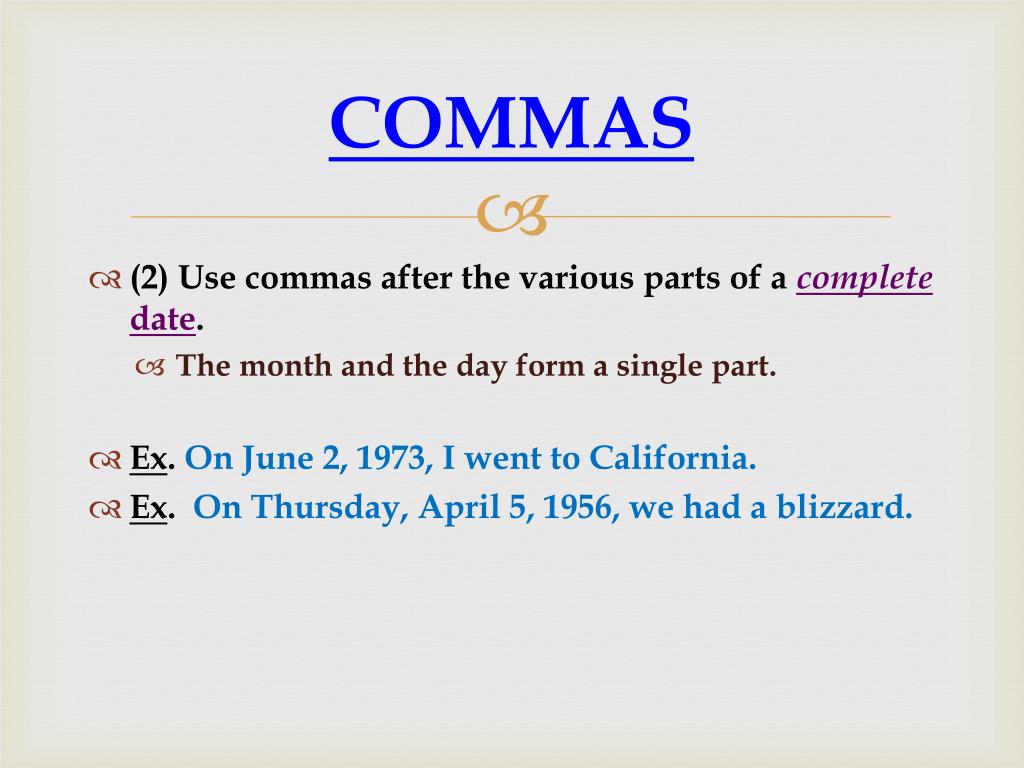
PPT COMMA RULES PowerPoint Presentation, free download ID2359699

Comma after “of course” The Definitive Guide Linguablog

At the beginning of a sentence, we do not need to place a comma after

Comma Rules Comma Definition & Examples for ESL Learners ESL

Can We Use Comma After So? Exploring The Punctuation Rules
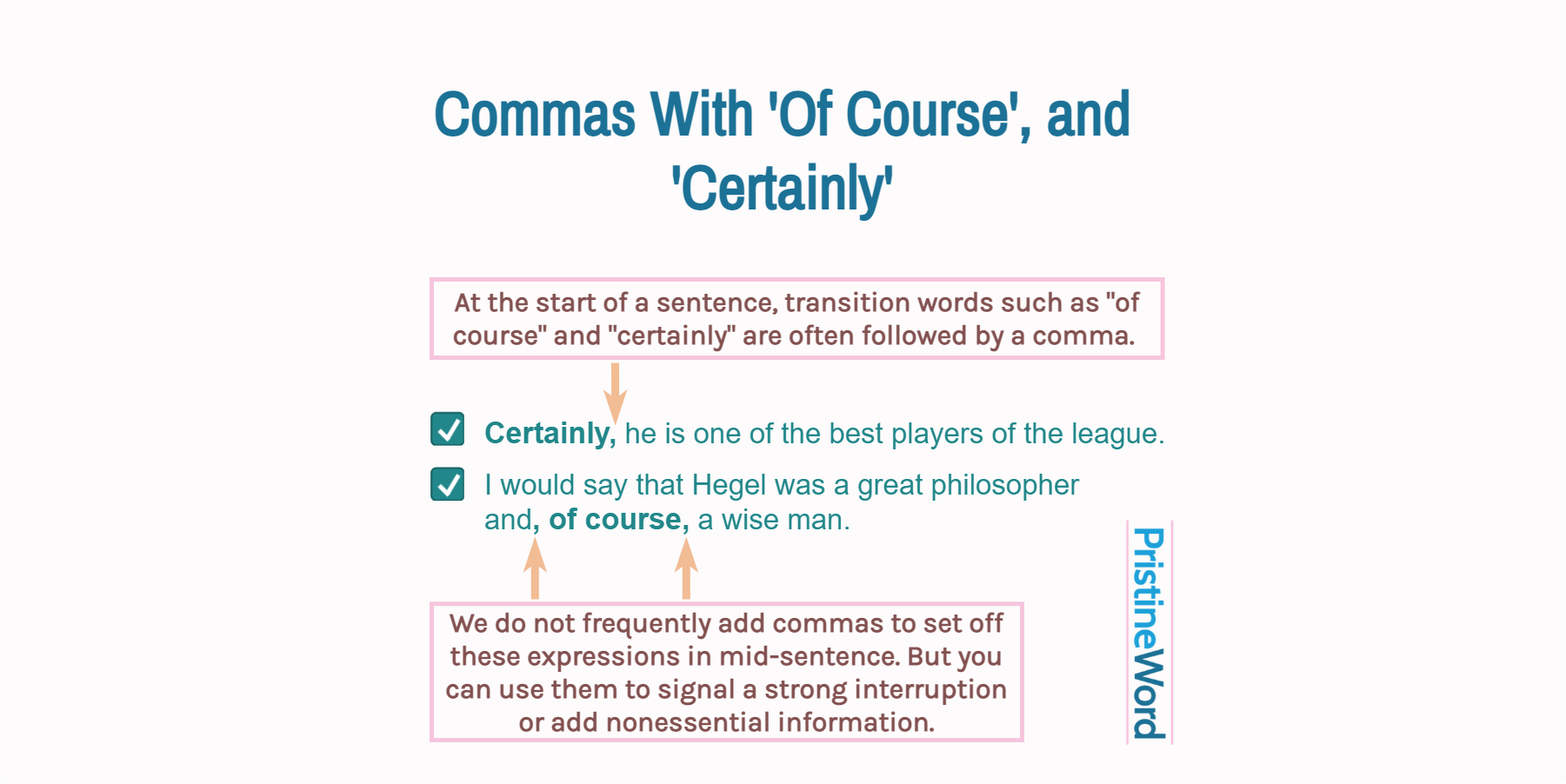
Commas With 'Of course' and 'Certainly'
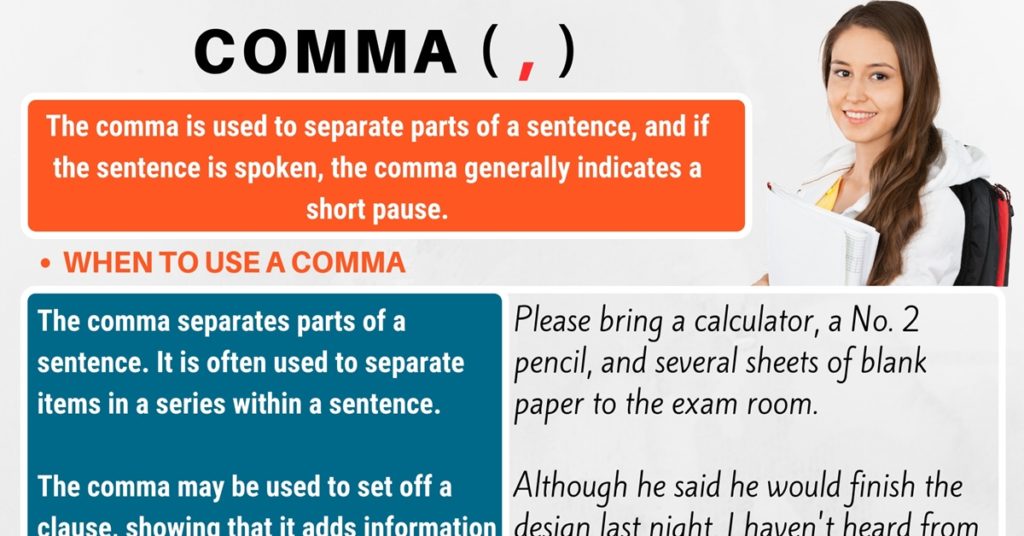
Comma (,) When to Use Commas with Useful Comma Rules Punctuation Marks
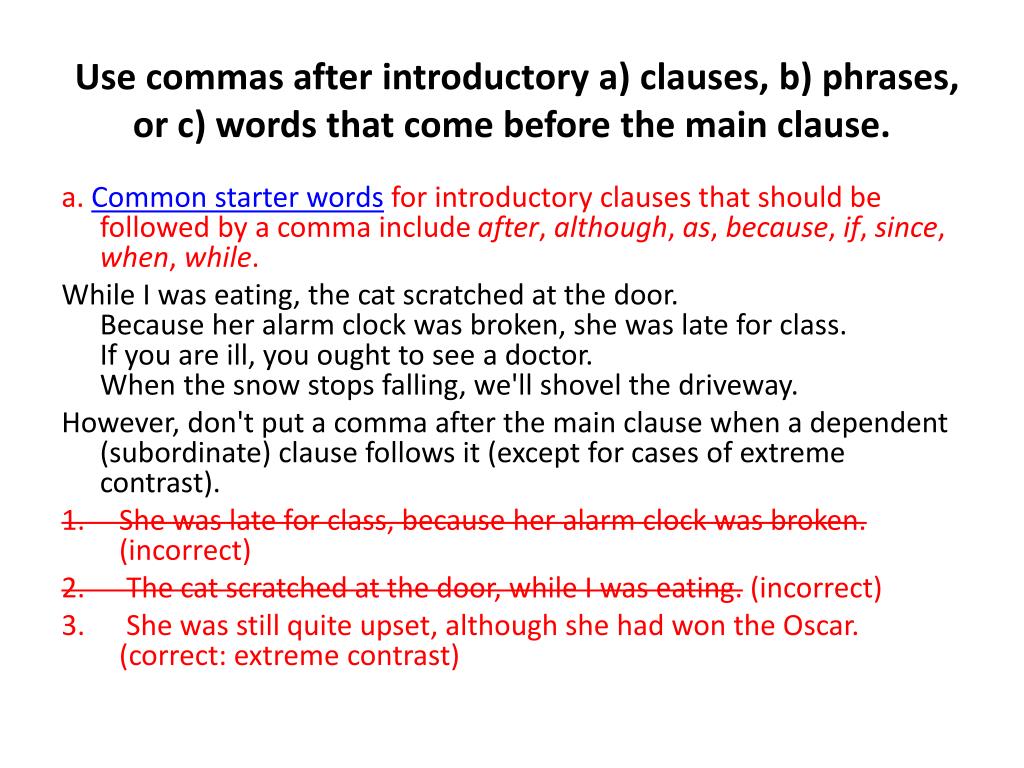
PPT Comma Usage PowerPoint Presentation, free download ID2454080

"Of Course" Easy Comma Guide + Examples (All Variations)

Comma Before With The Definitive Guide
Of Course, You Have To Use A Comma After Of Course.
Had I Written Something Like Evidently, It's Very Easy To., I'd Feel Like There Should Be A Comma In There.
Grammarly) To Suggest A Comma Follow 'Of Course'.
Should The Be A Comma After Of Course?
Related Post: