
Economics Course Catalog
Economics Course Catalog - Below is a listing of all the courses available through the department of economics. The schedule of classes is the authoritative source for information on classes scheduled for this semester. The university catalog is the authoritative source for information on courses. Consumer's budget constraints and utility maximization, producer's profit maximization. Public & nonprofitrequest informationaccredited universityideal for adult students This course provides a unique opportunity to go beyond introductory economics concepts without requiring prior. Consult this catalog for the most current, officially approved courses and curricula. How can we use economic thinking to make the world a better place? The course is intended to provide a foundation for theoretical research on contracts as well as applied research on topics in behavioral/experimental, development, environmental,. Additional economics courses expand upon these ideas. Consult this catalog for the most current, officially approved courses and curricula. Economics courses offered by quarter; The university catalog is the authoritative source for information on courses. Topics include the role of public debt and deficits in economies, international effects of tax and spending policies, and economic theories of public sector decision making. View a list of the courses typically taught below. The schedule of classes is the authoritative source for information on classes scheduled for this semester. International economics provides an introductory survey of globalization's economic, political, social, and cultural dimensions. International factor movements and multinational firms. Dedicated career guidance20 graduate programsflexible schedules Also listed are courses from other departments recognized for econ undergraduate elective credit. Topics include the role of public debt and deficits in economies, international effects of tax and spending policies, and economic theories of public sector decision making. Consult this catalog for the most current, officially approved courses and curricula. How can we use economic thinking to make the world a better place? Consumer's budget constraints and utility maximization, producer's profit maximization.. Additional economics courses expand upon these ideas. How decisions of government, business, and the individual. Public & nonprofitrequest informationaccredited universityideal for adult students Economics courses offered by quarter; Our economics program offers three distinct degree options: Additional economics courses expand upon these ideas. Topics covered include consumer theory, producer theory, equilibrium in a competitive market,. The course is intended to provide a foundation for theoretical research on contracts as well as applied research on topics in behavioral/experimental, development, environmental,. International factor movements and multinational firms. Consult this catalog for the most current, officially approved courses and. Our economics program offers three distinct degree options: Economics courses offered by quarter; Comprehensive listing of courses offered in the department of economics. Students will learn how macroeconomic analysis can explain national economic activity and how government intervention might stabilize an economy. International economics provides an introductory survey of globalization's economic, political, social, and cultural dimensions. Scarcity and choice, elements of supply and demand, inflation, unemployment, recessions, booms, fiscal and monetary policy, international balance of payments, and budget. How can we use economic thinking to make the world a better place? Consult this catalog for the most current, officially approved courses and curricula. An analysis of the problems society faces in organizing itself to provide goods. Theory of supply and demand, costs and revenues of the firm under perfect competition, monopoly and oligopoly, pricing of factors of. Economics courses offered by quarter; View a list of the courses typically taught below. Study on your scheduleaffordable tuition ratestake classes from home Also listed are courses from other departments recognized for econ undergraduate elective credit. Our economics program offers three distinct degree options: Topics include the role of public debt and deficits in economies, international effects of tax and spending policies, and economic theories of public sector decision making. For course descriptions, please check the university's course catalog. Students will learn how macroeconomic analysis can explain national economic activity and how government intervention might stabilize. International economics provides an introductory survey of globalization's economic, political, social, and cultural dimensions. Scarcity and choice, elements of supply and demand, inflation, unemployment, recessions, booms, fiscal and monetary policy, international balance of payments, and budget. Consumer's budget constraints and utility maximization, producer's profit maximization. Comprehensive listing of courses offered in the department of economics. Also listed are courses from. Topics include the role of public debt and deficits in economies, international effects of tax and spending policies, and economic theories of public sector decision making. Courses offered in undergraduate program. Emphasis on different roles of policies that act upon people. International factor movements and multinational firms. View a list of the courses typically taught below. Consult this catalog for the most current, officially approved courses and curricula. These tools and concepts will serve as a foundation for many upper level economics courses. International factor movements and multinational firms. View a list of the courses typically taught below. Courses offered in undergraduate program. The schedule of classes is the authoritative source for information on classes scheduled for this semester. Courses offered in undergraduate program. International factor movements and multinational firms. Dedicated career guidance20 graduate programsflexible schedules This course provides a unique opportunity to go beyond introductory economics concepts without requiring prior. Economics courses offered by quarter; Below is a listing of all the courses available through the department of economics. How decisions of government, business, and the individual. Introduction to economic analysis and its application. Emphasis on different roles of policies that act upon people. The university catalog is the authoritative source for information on courses. These tools and concepts will serve as a foundation for many upper level economics courses. Theory of supply and demand, costs and revenues of the firm under perfect competition, monopoly and oligopoly, pricing of factors of. Topics covered include consumer theory, producer theory, equilibrium in a competitive market,. Topics include the role of public debt and deficits in economies, international effects of tax and spending policies, and economic theories of public sector decision making. For course descriptions, please check the university's course catalog.
AB Economics Course Catalog 20152016 Edition

Cambridge IGCSE and O Level Economics Coursebook, 2nd Edition
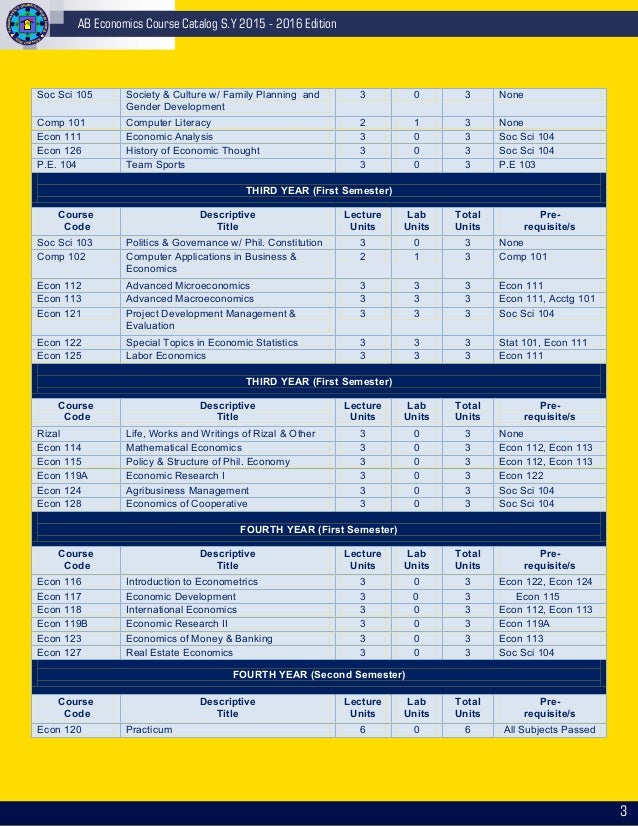
AB Economics Course Catalog 20152016 Edition
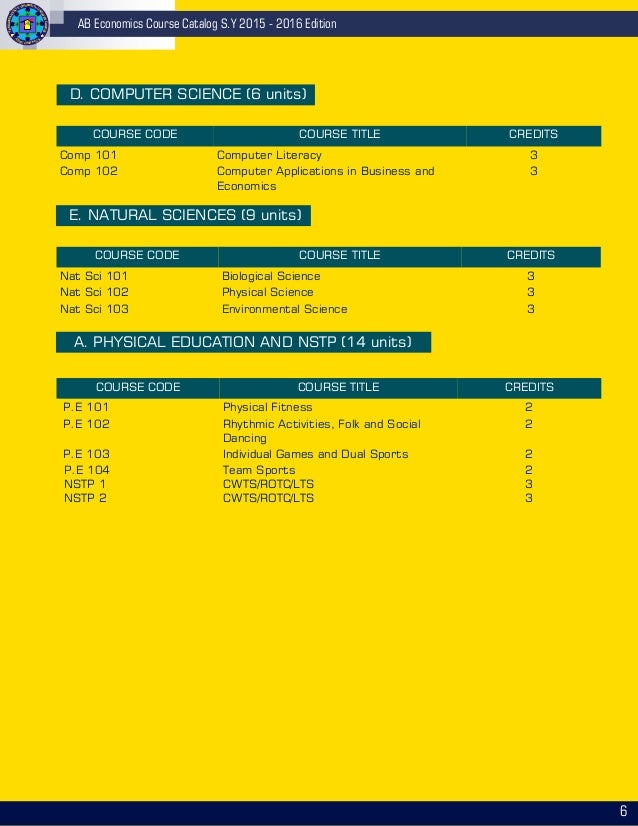
AB Economics Course Catalog 20152016 Edition
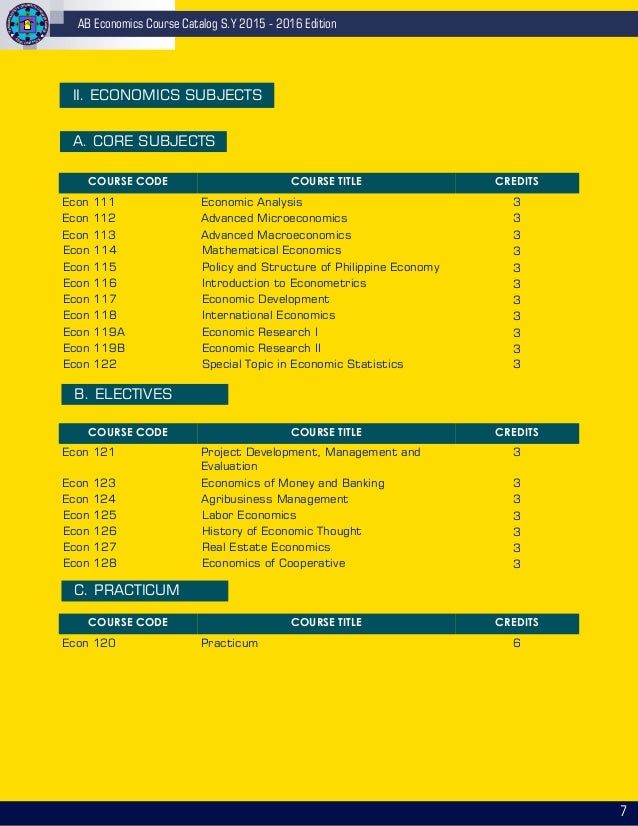
AB Economics Course Catalog 20152016 Edition

18_Course Catalogue MSc Economics Summer 2021.pdf — Department of Economics
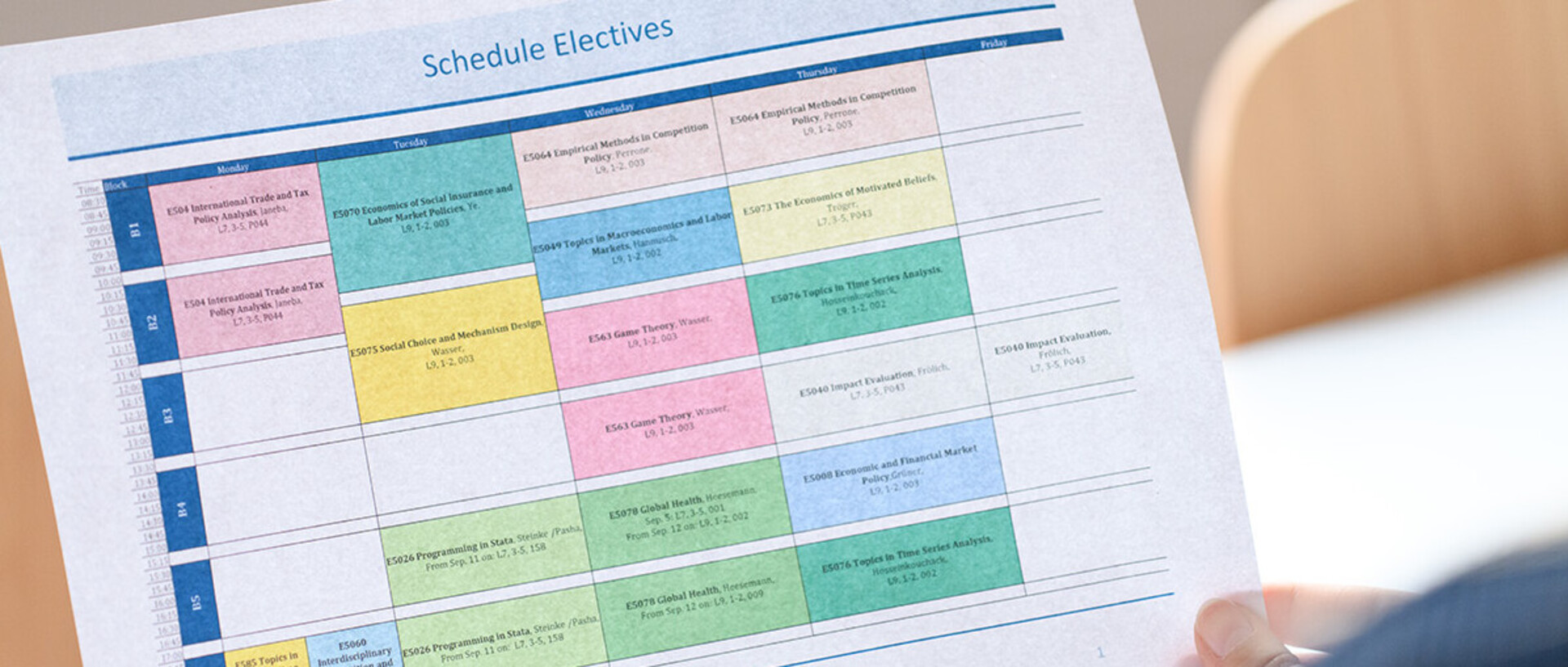
Course Catalog Department of Economics University of Mannheim
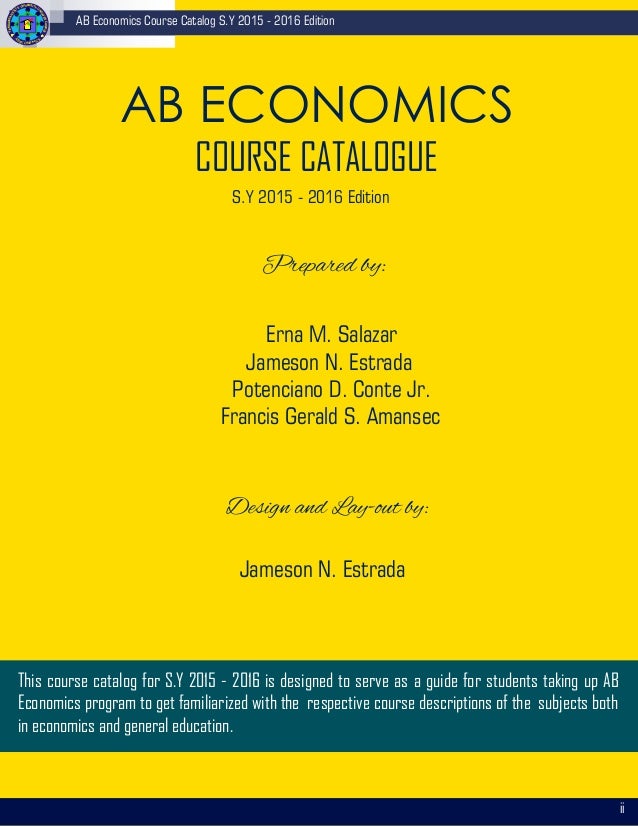
AB Economics Course Catalog 20152016 Edition
Economics Catalog 2019 (Stanford University Press) Entrepreneurship
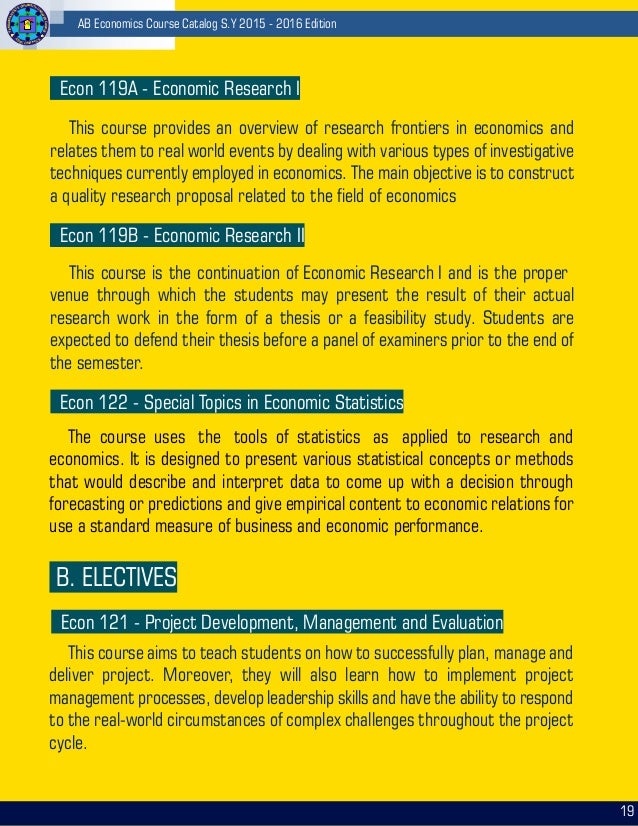
AB Economics Course Catalog 20152016 Edition
Students Will Learn How Macroeconomic Analysis Can Explain National Economic Activity And How Government Intervention Might Stabilize An Economy.
An Analysis Of The Problems Society Faces In Organizing Itself To Provide Goods And Services.
Study On Your Scheduleaffordable Tuition Ratestake Classes From Home
International Economics Provides An Introductory Survey Of Globalization's Economic, Political, Social, And Cultural Dimensions.
Related Post:
