
Forensic Photography Courses
Forensic Photography Courses - Manuel v gallego foundation colleges, inc. In the newly revised inventions in engineering course, students bring fantasy into reality by creating inventions to solve the problems of favorite fictional characters and the real world alike. Every photograph taken by a forensic photographer must capture crucial details without altering or contaminating the scene. Holding photographic evidence is part of the recreation process of a crime scene when investigators are unable to be there initially. Build on photography fundamentals and learn advanced techniques to capture those hard to get evidence photos. Forensic photography requires a unique blend of technical photography skills, scientific knowledge, and an understanding of the legal process; Crime scenes can be complex and gathering photographic evidence from those scenes can pose extra challenges. More engaging science enrichment courses! Imprimus forensic services provides high quality crime scene training classes on evidence collection and crime scene investigations for police officers such as basic and advanced evidence photography, evidence report writing, footwear evidence, tire track evidence, biological evidence and crime scene sketching & diagramming. This course aims to make students feel more comfortable making adjustments on their cameras beyond just the basics. Learn macro photography, painting with light, hdr, focus stacking, and more. This course will address the basic concepts of photography and their application to professional crime scene documentation. The course begins with instruction of lighting techniques. Lecture and practical exercise topics include: Forensic photography is an important aspect of forensic science. Institute of criminal justice education psci 221 forensic photography prepared by: Course material and practical exercises focus on camera operation and proper crime scene photo composition. Students will learn basic photography skills, camera operation, exposure control, relational photographs, and flash control for crime scene and evidence documentation. Fsa116 | photography is a critical element in the documentation of criminal investigations. Build on photography fundamentals and learn advanced techniques to capture those hard to get evidence photos. Course material and practical exercises focus on camera operation and proper crime scene photo composition. A new unit in introduction to forensics asks students to evaluate the validity of various kinds of forensic evidence and its impact on the lives of. Learn macro photography, painting with light, hdr, focus stacking, and more. The course begins with instruction of lighting techniques.. In the newly revised inventions in engineering course, students bring fantasy into reality by creating inventions to solve the problems of favorite fictional characters and the real world alike. Forensic photography requires a unique blend of technical photography skills, scientific knowledge, and an understanding of the legal process; Course material and practical exercises focus on camera operation and proper crime. Every photograph taken by a forensic photographer must capture crucial details without altering or contaminating the scene. Camera/equipment set up for long exposure. Forensic photography requires a unique blend of technical photography skills, scientific knowledge, and an understanding of the legal process; These include a foundation in crime scene documentation, with crime scene photography and crime scene diagramming being reinforced. Students will learn basic photography skills, camera operation, exposure control, relational photographs, and flash control for crime scene and evidence documentation. Institute of criminal justice education psci 221 forensic photography prepared by: Crime scene photography this is a comprehensive course for detectives and crime scene personnel designed to teach basic and advanced photographic techniques that are required to document crime. Holding photographic evidence is part of the recreation process of a crime scene when investigators are unable to be there initially. Students will learn basic photography skills, camera operation, exposure control, relational photographs, and flash control for crime scene and evidence documentation. Crime scenes can be complex and gathering photographic evidence from those scenes can pose extra challenges. This advanced. Attendees will use their own equipment to capture images under various conditions including “low light” scenes. Crime scenes can be complex and gathering photographic evidence from those scenes can pose extra challenges. Fsa101 | capturing evidence and documenting the crime scene through skilled photography techniques is crucial to a proper criminal investigation. This course aims to make students feel more. Build on photography fundamentals and learn advanced techniques to capture those hard to get evidence photos. Fsa101 | capturing evidence and documenting the crime scene through skilled photography techniques is crucial to a proper criminal investigation. This advanced crime scene photography course provides instruction that can permit the student to successfully document challenging photography situations that occur at crime scenes.. Camera/equipment set up for long exposure. Topics include shooting in manual, evaluation exposure, using flash, crime scene photography, vehicle photography, equipment, and more. This course will address the basic concepts of photography and their application to professional crime scene documentation. More engaging science enrichment courses! This advanced crime scene photography course provides instruction that can permit the student to successfully. Forensic photography is an important aspect of forensic science. Crime scenes can be complex and gathering photographic evidence from those scenes can pose extra challenges. The course begins with instruction of lighting techniques. The technical features of a dslr camera can be challenging for many crime scene investigators and law enforcement professionals. Students will learn basic photography skills, camera operation,. Learn macro photography, painting with light, hdr, focus stacking, and more. A new unit in introduction to forensics asks students to evaluate the validity of various kinds of forensic evidence and its impact on the lives of. Holding photographic evidence is part of the recreation process of a crime scene when investigators are unable to be there initially. Crime scene. In the newly revised inventions in engineering course, students bring fantasy into reality by creating inventions to solve the problems of favorite fictional characters and the real world alike. Manuel v gallego foundation colleges, inc. Students can expect to spend the first day reviewing the principles of how a camera captures light as well as how to set up their cameras to take both low light and flash photography. Lecture and practical exercise topics include: Institute of criminal justice education psci 221 forensic photography prepared by: Attendees will use their own equipment to capture images under various conditions including “low light” scenes. More engaging science enrichment courses! The technical features of a dslr camera can be challenging for many crime scene investigators and law enforcement professionals. Course material and practical exercises focus on camera operation and proper crime scene photo composition. A new unit in introduction to forensics asks students to evaluate the validity of various kinds of forensic evidence and its impact on the lives of. This online course addresses the basic concepts of photography and their application to professional investigative documentation. This course aims to make students feel more comfortable making adjustments on their cameras beyond just the basics. This course will address the basic concepts of photography and their application to professional crime scene documentation. Students will learn basic photography skills, camera operation, exposure control, relational photographs, and flash control for crime scene and evidence documentation. These include a foundation in crime scene documentation, with crime scene photography and crime scene diagramming being reinforced throughout the program. Fsa116 | photography is a critical element in the documentation of criminal investigations.
Basic Crime Scene Photography Course
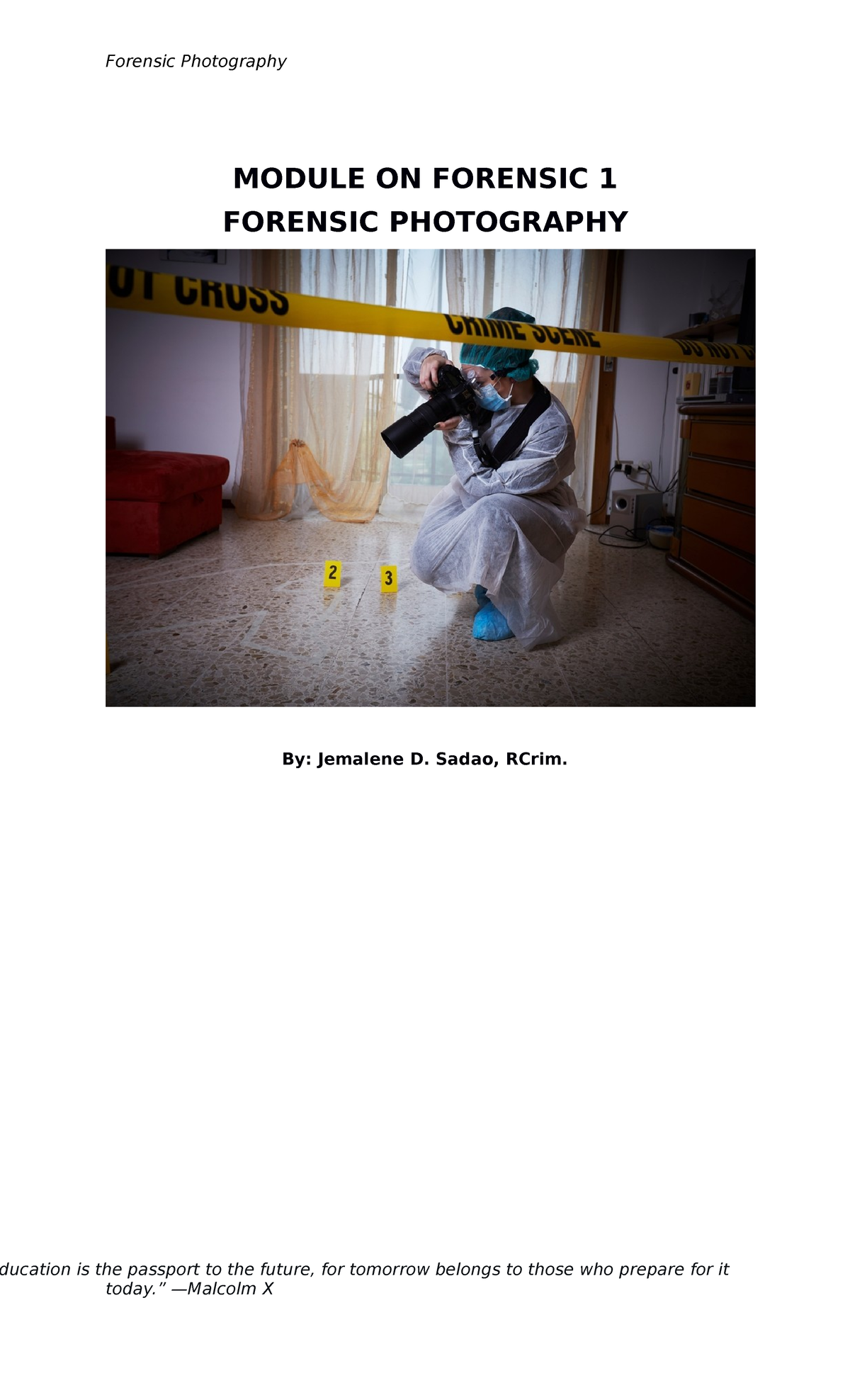
Forensic1 Forensic Photography Module120222023 MODULE ON
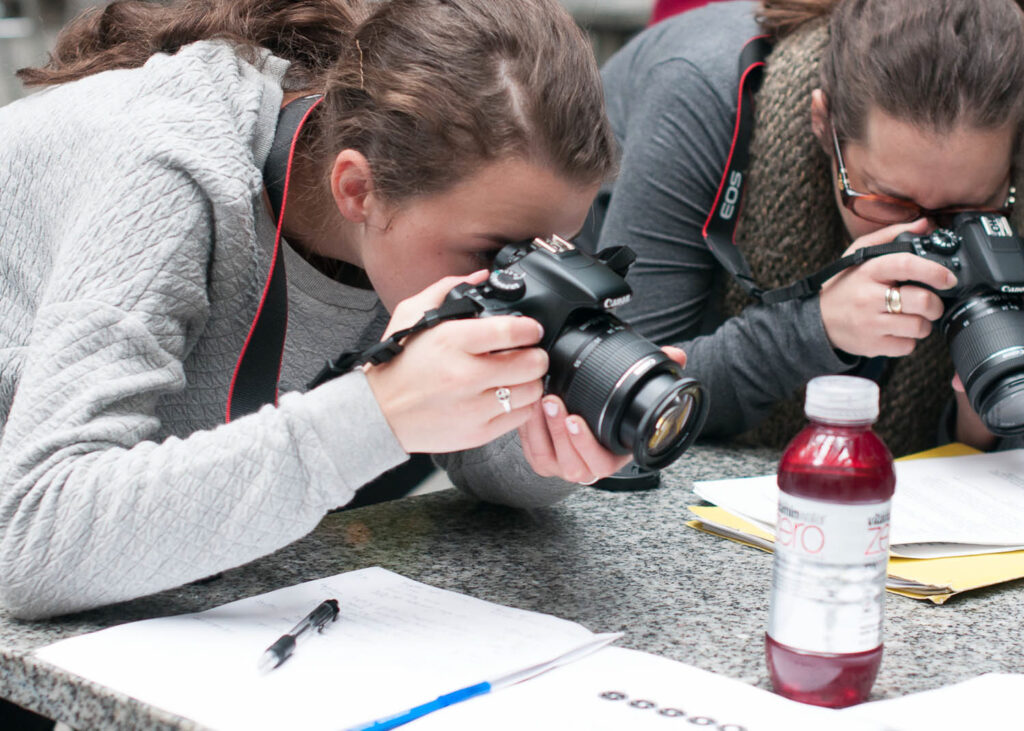
Classes Castle Forensic Photography Crime Scene Photo Class

LTron Intro Forensic Photography Course for Law Enforcement

Forensic Photography Course
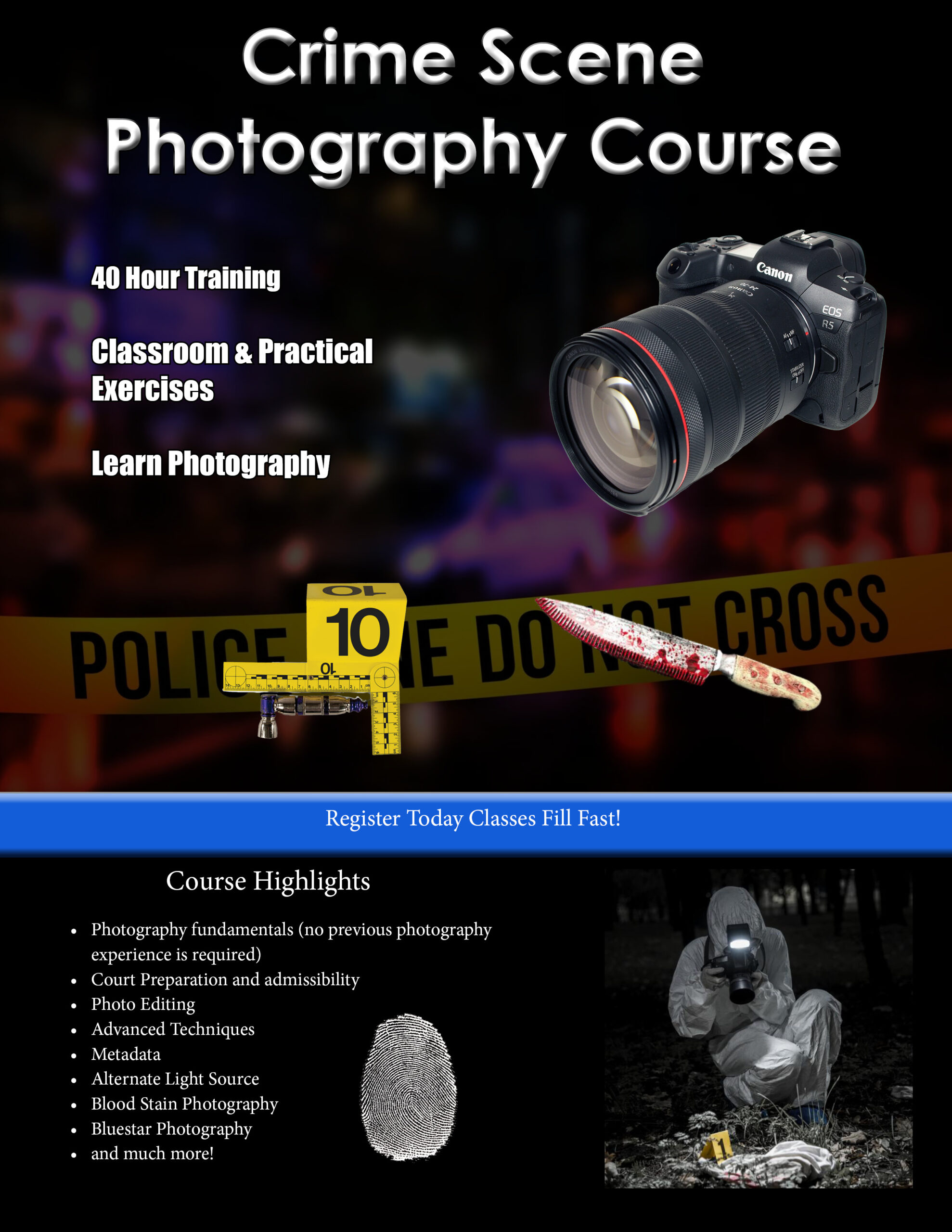
Crime Scene Photography Course April 21st 24th, 2025 Reserve Seat
Video Learn more about TSC's Forensic Macro Photography program

Basic Crime Scene Photography Course

PNWDIAI Home PNWDIAI
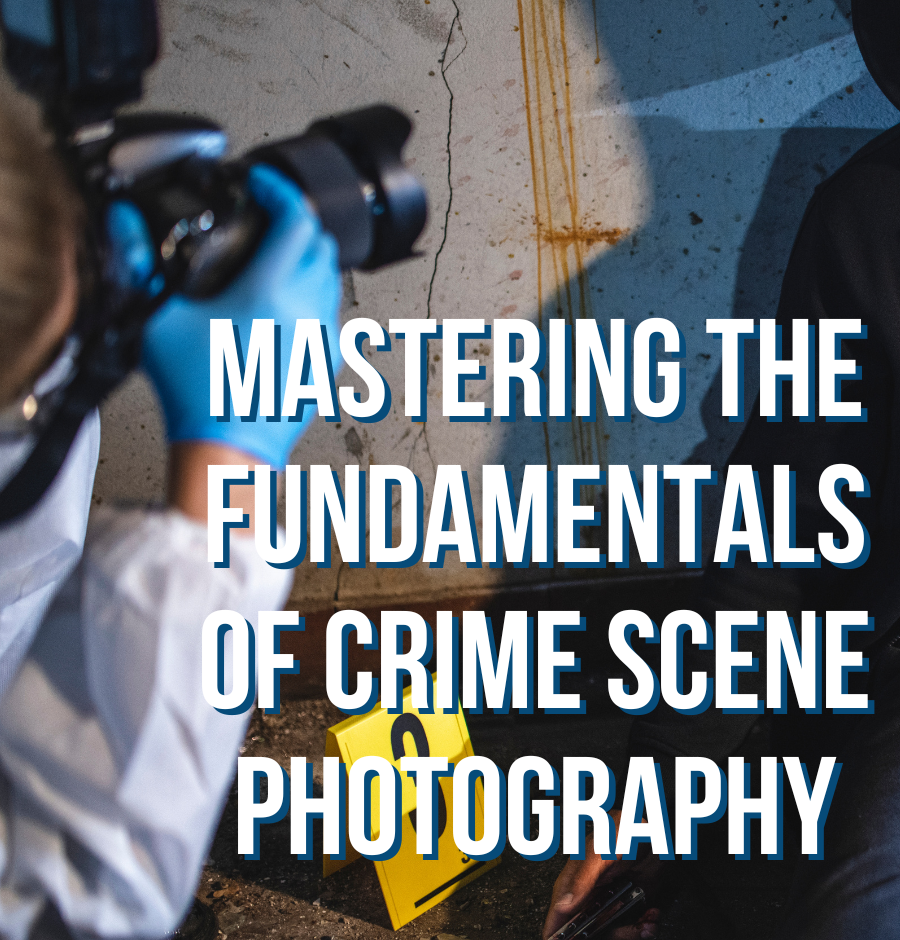
Mastering the Fundamentals of Crime Scene Photography LEIC
Forensic Photography Requires A Unique Blend Of Technical Photography Skills, Scientific Knowledge, And An Understanding Of The Legal Process;
Camera/Equipment Set Up For Long Exposure.
Learn Macro Photography, Painting With Light, Hdr, Focus Stacking, And More.
Fsa101 | Capturing Evidence And Documenting The Crime Scene Through Skilled Photography Techniques Is Crucial To A Proper Criminal Investigation.
Related Post: