Golf Course Chemicals And Cancer
Golf Course Chemicals And Cancer - Andreas kalcker, a german citizen believed to live in switzerland, will be one of about 50 speakers at the “truth seekers conference” starting thursday at trump national. To some, that could mean advocating for your local golf course to drastically reduce or eliminate their chemical inputs. Two studies, known as toxic fairways, conducted by the new york attorney general's office, revealed that golf course superintendents exposed to high levels of chemicals were at an increased risk of specific cancers. Golf courses often use pesticides and chemicals to maintain the lush green landscapes. Furthermore, the “toxic fairways” studies conducted by the new york attorney general’s office provide compelling evidence that golf course superintendents exposed to high levels of chemicals face an elevated risk of specific cancers. Research performed since 2013 shows chemical pesticides and herbicides used on golf courses and other green spaces can cause cancer and neurological illnesses, birth defects and neurodevelopment disorders such as autism, lowered fertility levels, and high blood pressure. During the documentary, we find out that golf courses are permitted to legally use pesticides that have been banned for use on lawns, parks and playing fields in ontario and quebec. While these chemicals are essential for golf course maintenance, concerns about their impact on health have been raised. This article exposes the hidden dangers of golf course chemicals and provides valuable insights into the risks involved. Major environmental health risks on golf courses include pesticides and other chemicals, mechanical equipment, sharp tools, and being struck by golf balls [duvall, 2001]. These toxic chemicals, linked to increased risks of bladder and colorectal cancer, as well as birth defects, are a direct result of the interaction between disinfectants and organic pollutants flowing into drinking water. Two studies, known as toxic fairways, conducted by the new york attorney general's office, revealed that golf course superintendents exposed to high levels of chemicals were at an increased risk of specific cancers. The grass’ condition on a golf course, regardless of a player’s skill, can drastically skew the chances of a winning putt. A large number of known immediate and long term health effects are associated with pesticide exposure [ reigart & roberts, 1999 ; This article exposes the hidden dangers of golf course chemicals and provides valuable insights into the risks involved. During the documentary, we find out that golf courses are permitted to legally use pesticides that have been banned for use on lawns, parks and playing fields in ontario and quebec. Research suggests that some chemicals used on golf courses may raise risks of lymphomas and other health problems. One study, published in 1996 in the american journal of industrial medicine,. With over 1600 golf courses in canada and between 400 and 600 new courses created each year in canada and the united states, there appears to be increasing potential for unintentional human and animal exposure to turf pesticides. Exposure to certain pesticides has been linked to health issues, including cancer. Us president donald trump’s private golf resort in florida is set to host a speaker who promotes the use of industrial bleach as a cure for cancer, covid, and autism, the guardian has reported. Two studies, known as toxic fairways, conducted by the new york attorney general's office, revealed that golf course superintendents exposed to high levels of chemicals were. These toxic chemicals, linked to increased risks of bladder and colorectal cancer, as well as birth defects, are a direct result of the interaction between disinfectants and organic pollutants flowing into drinking water. These applicators are trained in the safe and proper use of pesticides within an integrated pest management (ipm) system. Research performed since 2013 shows chemical pesticides and. To address these concerns, several proactive measures are essential. These applicators are trained in the safe and proper use of pesticides within an integrated pest management (ipm) system. Research suggests that some chemicals used on golf courses may raise risks of lymphomas and other health problems. Firstly, reducing exposure helps minimize harm. Weichenthal et al., 2010 ]. Major environmental health risks on golf courses include pesticides and other chemicals, mechanical equipment, sharp tools, and being struck by golf balls [duvall, 2001]. One study, published in 1996 in the american journal of industrial medicine,. The grass’ condition on a golf course, regardless of a player’s skill, can drastically skew the chances of a winning putt. To address these. During the documentary, we find out that golf courses are permitted to legally use pesticides that have been banned for use on lawns, parks and playing fields in ontario and quebec. Exposure to certain pesticides has been linked to health issues, including cancer. Discover how chemical applications like pesticides and herbicides maintain golf course turfgrass, ensuring health, sustainability, and lush. Major environmental health risks on golf courses include pesticides and other chemicals, mechanical equipment, sharp tools, and being struck by golf balls [duvall, 2001]. Weichenthal et al., 2010 ]. Andreas kalcker, a german citizen believed to live in switzerland, will be one of about 50 speakers at the “truth seekers conference” starting thursday at trump national. While these chemicals are. A large number of known immediate and long term health effects are associated with pesticide exposure [ reigart & roberts, 1999 ; Golf courses often use pesticides and chemicals to maintain the lush green landscapes. This article exposes the hidden dangers of golf course chemicals and provides valuable insights into the risks involved. To address these concerns, several proactive measures. To some, that could mean advocating for your local golf course to drastically reduce or eliminate their chemical inputs. Andreas kalcker, a german citizen believed to live in switzerland, will be one of about 50 speakers at the “truth seekers conference” starting thursday at trump national. Golf courses often use pesticides and chemicals to maintain the lush green landscapes. Exposure. Golf courses use more than 50,000 pounds of pesticides, herbicides, and fertilizers each year along with 5.9 billion gallons of water, causing significant runoff into neighboring waterways. The average golf course in america uses 50,000 pounds of pesticides, herbicides, and fertilizers each year. These toxic chemicals, linked to increased risks of bladder and colorectal cancer, as well as birth defects,. These toxic chemicals, linked to increased risks of bladder and colorectal cancer, as well as birth defects, are a direct result of the interaction between disinfectants and organic pollutants flowing into drinking water. A large number of known immediate and long term health effects are associated with pesticide exposure [ reigart & roberts, 1999 ; Research performed since 2013 shows. Discover how chemical applications like pesticides and herbicides maintain golf course turfgrass, ensuring health, sustainability, and lush greenery. Exposure to certain pesticides has been linked to health issues, including cancer. To some, that could mean advocating for your local golf course to drastically reduce or eliminate their chemical inputs. Golf courses employ licensed pesticide applicators that are required to pass state administered exams and complete continuing education each year. One study, published in 1996 in the american journal of industrial medicine,. The average golf course in america uses 50,000 pounds of pesticides, herbicides, and fertilizers each year. Major environmental health risks on golf courses include pesticides and other chemicals, mechanical equipment, sharp tools, and being struck by golf balls [duvall, 2001]. Us president donald trump’s private golf resort in florida is set to host a speaker who promotes the use of industrial bleach as a cure for cancer, covid, and autism, the guardian has reported. This article exposes the hidden dangers of golf course chemicals and provides valuable insights into the risks involved. Furthermore, the “toxic fairways” studies conducted by the new york attorney general’s office provide compelling evidence that golf course superintendents exposed to high levels of chemicals face an elevated risk of specific cancers. While these chemicals are essential for golf course maintenance, concerns about their impact on health have been raised. Firstly, reducing exposure helps minimize harm. Two studies, known as toxic fairways, conducted by the new york attorney general's office, revealed that golf course superintendents exposed to high levels of chemicals were at an increased risk of specific cancers. These toxic chemicals, linked to increased risks of bladder and colorectal cancer, as well as birth defects, are a direct result of the interaction between disinfectants and organic pollutants flowing into drinking water. A large number of known immediate and long term health effects are associated with pesticide exposure [ reigart & roberts, 1999 ; Golf courses often use pesticides and chemicals to maintain the lush green landscapes.Understanding Golf Course Chemical Application
“Botox for Your Lawn” Pesticides, Cancer & Golf Courses Waters Kraus

Cancerlinked chemicals found at Cocoa Beach golf course

Chemicals Used in Golf Course Maintenance A Comprehensive Overview
Six Ways Golf Courses Hurt the Environment Take Action

A Comprehensive Guide to Chemical Safety on the Golf Course Aquaritin
You Never Have to Use These Toxins with Chicago Artificial Turf for
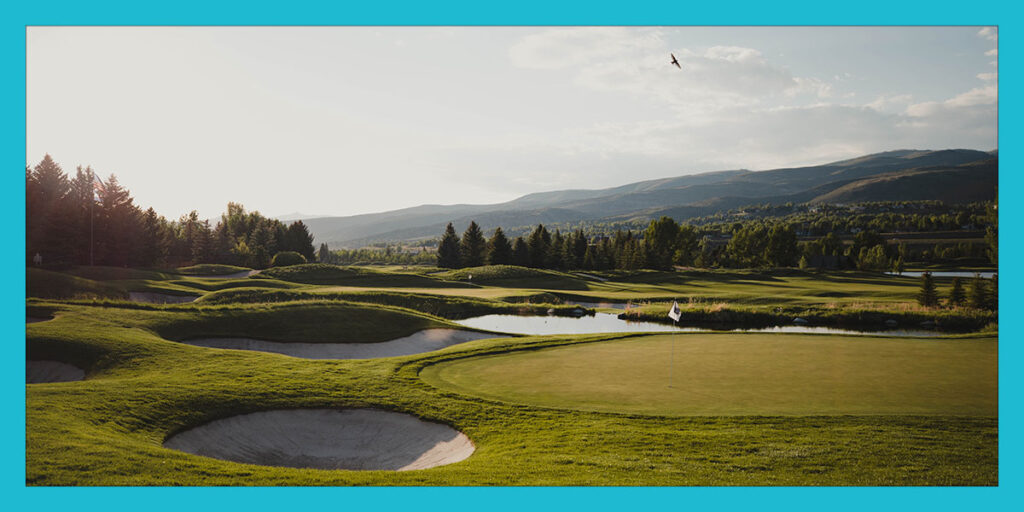
Guide to Chemical Safety on the Golf Course ESD Waste2Water
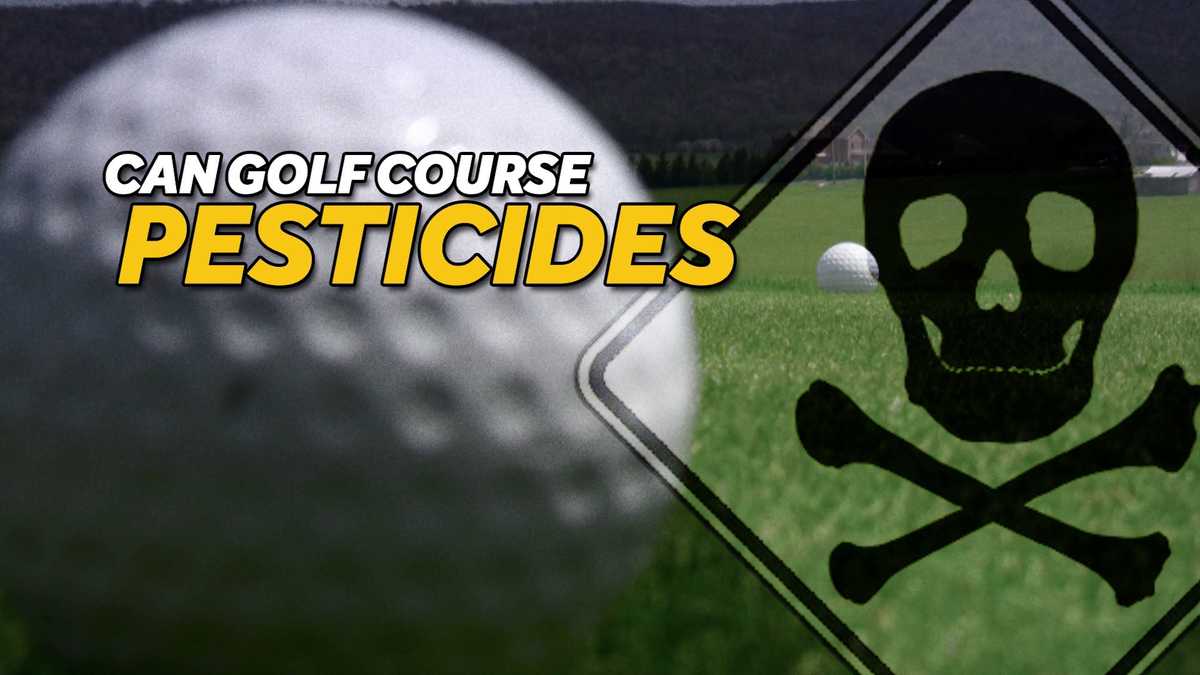
Can golf course pesticides cause cancer?
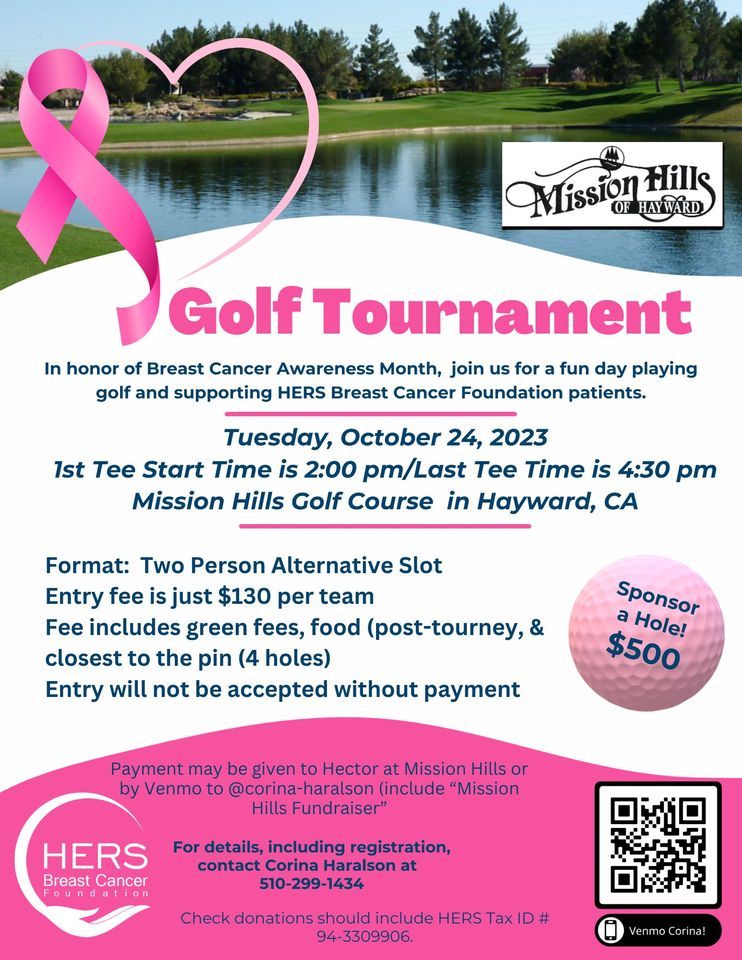
Breast Cancer Awareness Golf Tournament at Mission Hills, Mission Hills
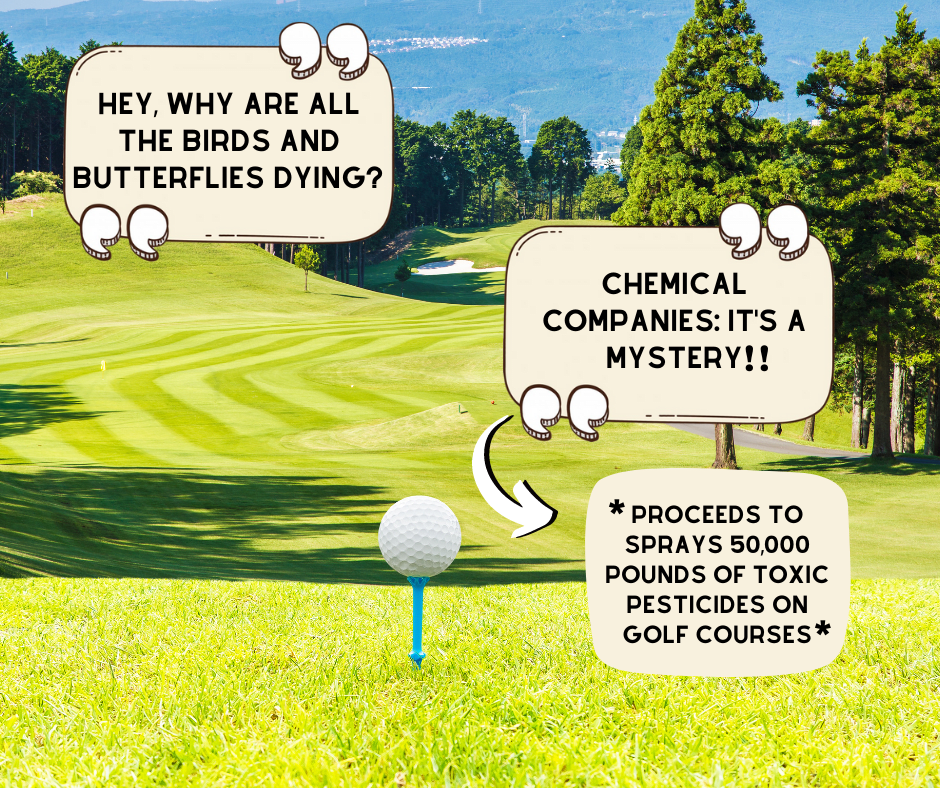
Golf Courses Use More Than 50,000 Pounds Of Pesticides, Herbicides, And Fertilizers Each Year Along With 5.9 Billion Gallons Of Water, Causing Significant Runoff Into Neighboring Waterways.
To Address These Concerns, Several Proactive Measures Are Essential.
During The Documentary, We Find Out That Golf Courses Are Permitted To Legally Use Pesticides That Have Been Banned For Use On Lawns, Parks And Playing Fields In Ontario And Quebec.
Weichenthal Et Al., 2010 ].
Related Post: