
Life Course Perspective Social Work
Life Course Perspective Social Work - The purpose of this article is to examine the relevance to social work of selected findings of the last 15 years of empirical investigation of life course concepts and themes. This article provides an overview of the empirical and theoretical roots of the life course perspective. In recent years, the life course perspective has received increasing support from researchers across a number of behavioral science disciplines. Why do different people react to the same type of stressful life event in different ways? In our swk 3401 and swk 3402 coursework you will be exposed to many of the methods that investigators apply in scientifically answering questions about social problems, diverse populations, social phenomena, and social work interventions. The purpose of this article is to examine the relevance to social work of selected findings of the last 15 years of empirical investigation of life course concepts and themes. The life course perspective attempts to understand the continuities as well as the twists and turns in the paths of individual lives. This article provides an overview of the empirical and theoretical roots of the life course perspective. In recent years, the life course perspective has received increasing support from researchers across a number of behavioral science disciplines. The life course perspective provides a framework for seeing older adulthood as a stage of life in the continuum of. The life course perspective, an emerging interdisciplinary perspective, has potential for helping social workers bridge their micro and macro worlds. This text brings together sociological, anthropological and social policy perspectives on the life course with a view to developing the conceptual rigour of the term as well as to exploring. The purpose of this article is to examine the relevance to social work of selected findings of the last 15 years of empirical investigation of life course concepts and themes. It locates individual and family development in cultural and historical contexts. This article provides an overview of the empirical and theoretical roots of the life course perspective. A life course perspective agrees with baltes’ theory that development is lifelong, multidirectional and influenced by contextual factors. The purpose of this article is to examine the relevance to social work of selected findings of the last 15 years of empirical investigation of life course concepts and themes. Age as a dimension of social organization; A body of work referred to as the “life course” framework (also known as “life course theory,” the “life course paradigm,” and the “life course perspective”) has been increasingly used to motivate and justify the examination of the relationships among variables in social and behavioral science, particularly in the study of. The purpose of this article is to examine the relevance to social work of selected findings of the last 15 years of empirical investigation of life course concepts and themes. The life course perspective has been particularly influential in the 1990s, especially as part of a growing interest in the study of ageing. In recent years, the life course perspective has received increasing support from researchers across a number of behavioral science disciplines. It locates individual and family development in cultural and historical contexts. The purpose of this article is. A life course perspective agrees with baltes’ theory that development is lifelong, multidirectional and influenced by contextual factors. Life course theory (lct) looks at how chronological age, relationships, common life transitions, life events, social change, and human agency shape people’s lives from birth to death. In our swk 3401 and swk 3402 coursework you will be exposed to many of. Life course theory (lct) looks at how chronological age, relationships, common life transitions, life events, social change, and human agency shape people’s lives from birth to death. A life course perspective agrees with baltes’ theory that development is lifelong, multidirectional and influenced by contextual factors. Covering more than forty years of scholarship, this volume brings together neugarten’s most important contributions. This article provides an overview of the empirical and theoretical roots of the life course perspective. This article provides an overview of the empirical and theoretical roots of the life course perspective. A life course perspective agrees with baltes’ theory that development is lifelong, multidirectional and influenced by contextual factors. The life course perspective, an emerging interdisciplinary perspective, has potential. The life course perspective attempts to understand the continuities as well as the twists and turns in the paths of individual lives. The life course perspective highlights the transitions, social meanings, and cumulative nature of the migrants' experiences, while the qualitative approach allows for tapping into the lived. Age as a dimension of social organization; This text brings together sociological,. The purpose of this article is to examine the relevance to social work of selected findings of the last 15 years of empirical investigation of life course concepts and themes. Counseling for work and relationship is a social constructionist perspective, informed by feminist and social justice values, and responsive to radical changes in contemporary lives, that fosters a. The life. A body of work referred to as the “life course” framework (also known as “life course theory,” the “life course paradigm,” and the “life course perspective”) has been increasingly used to motivate and justify the examination of the relationships among variables in social and behavioral science, particularly in the study of. A life course perspective agrees with baltes’ theory that. In our swk 3401 and swk 3402 coursework you will be exposed to many of the methods that investigators apply in scientifically answering questions about social problems, diverse populations, social phenomena, and social work interventions. Life course theory (lct) looks at how chronological age, relationships, common life transitions, life events, social change, and human agency shape people’s lives from birth. The purpose of this article is to examine the relevance to social work of selected findings of the last 15 years of empirical investigation of life course concepts and themes. Covering more than forty years of scholarship, this volume brings together neugarten’s most important contributions in four areas: The life course perspective provides a framework for seeing older adulthood as. Counseling for work and relationship is a social constructionist perspective, informed by feminist and social justice values, and responsive to radical changes in contemporary lives, that fosters a. Why do different people react to the same type of stressful life event in different ways? A life course perspective agrees with baltes’ theory that development is lifelong, multidirectional and influenced by. Covering more than forty years of scholarship, this volume brings together neugarten’s most important contributions in four areas: It locates individual and family development in cultural and historical contexts. The purpose of this article is to examine the relevance to social work of selected findings of the last 15 years of empirical investigation of life course concepts and themes. A life course perspective agrees with baltes’ theory that development is lifelong, multidirectional and influenced by contextual factors. The purpose of this article is to examine the relevance to social work of selected findings of the last 15 years of empirical investigation of life course concepts and themes. This article provides an overview of the empirical and theoretical roots of the life course perspective. The life course perspective has been particularly influential in the 1990s, especially as part of a growing interest in the study of ageing. Why do different people react to the same type of stressful life event in different ways? In our swk 3401 and swk 3402 coursework you will be exposed to many of the methods that investigators apply in scientifically answering questions about social problems, diverse populations, social phenomena, and social work interventions. The purpose of this article is to examine the relevance to social work of selected findings of the last 15 years of empirical investigation of life course concepts and themes. Life course theory (lct) looks at how chronological age, relationships, common life transitions, life events, social change, and human agency shape people’s lives from birth to death. This article provides an overview of the empirical and theoretical roots of the life course perspective. The life course perspective, an emerging interdisciplinary perspective, has potential for helping social workers bridge their micro and macro worlds. The life course perspective provides a framework for seeing older adulthood as a stage of life in the continuum of. The life course perspective, an emerging interdisciplinary perspective, has potential for helping social workers bridge their micro and macro worlds. Age as a dimension of social organization;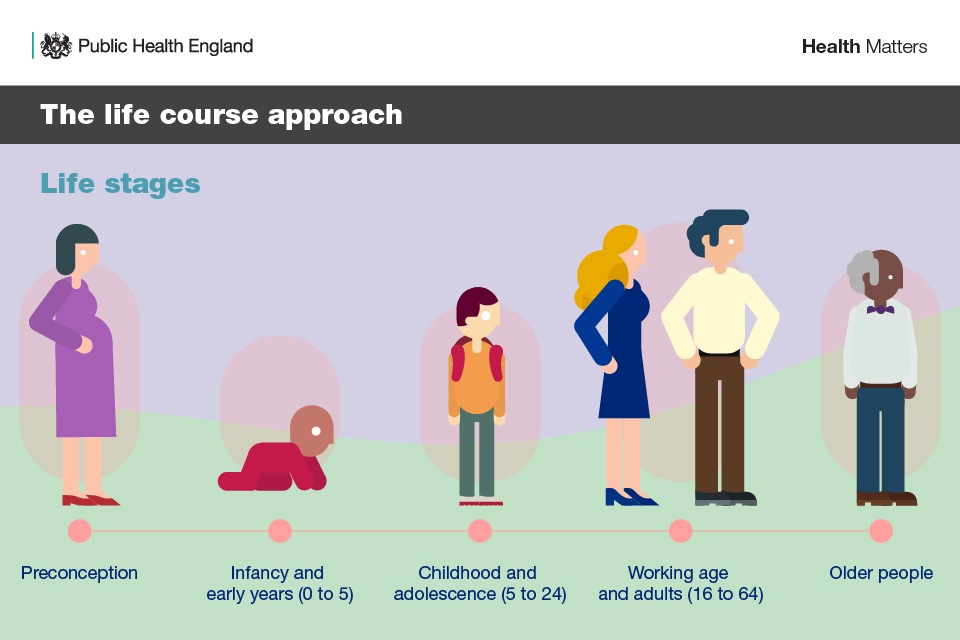
Health matters Prevention a life course approach GOV.UK

Michael Bowling’s Case Study Our Multicultural Social Work Blog
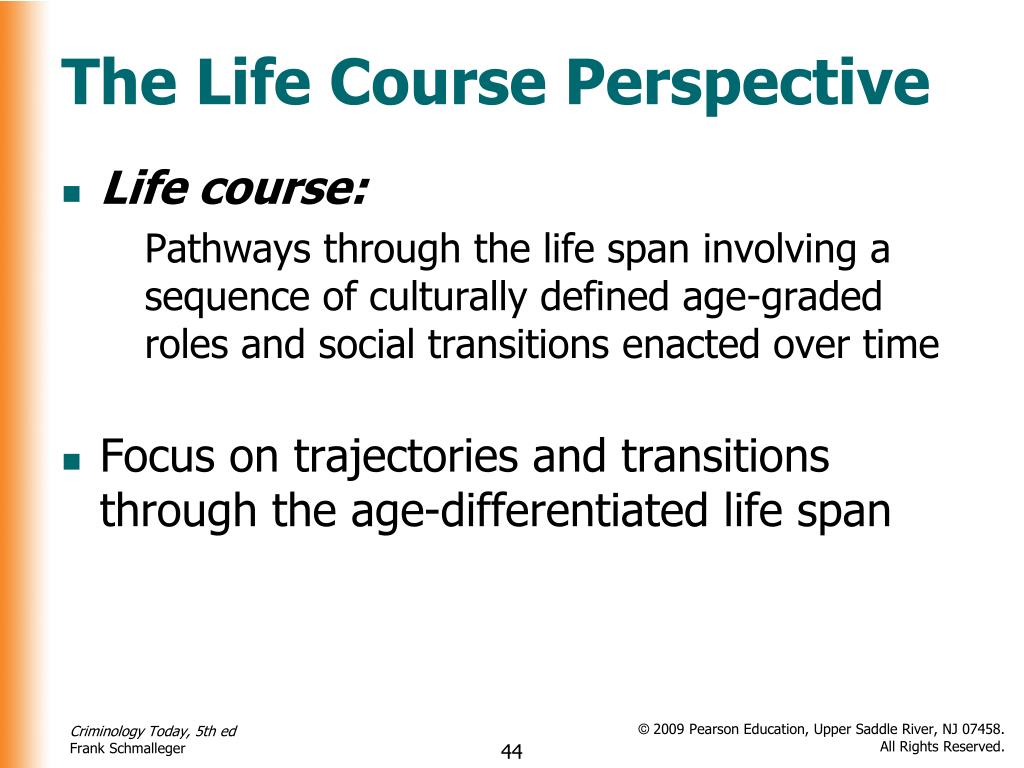
PPT Chapter 8 Theories of Social Process and Social Development
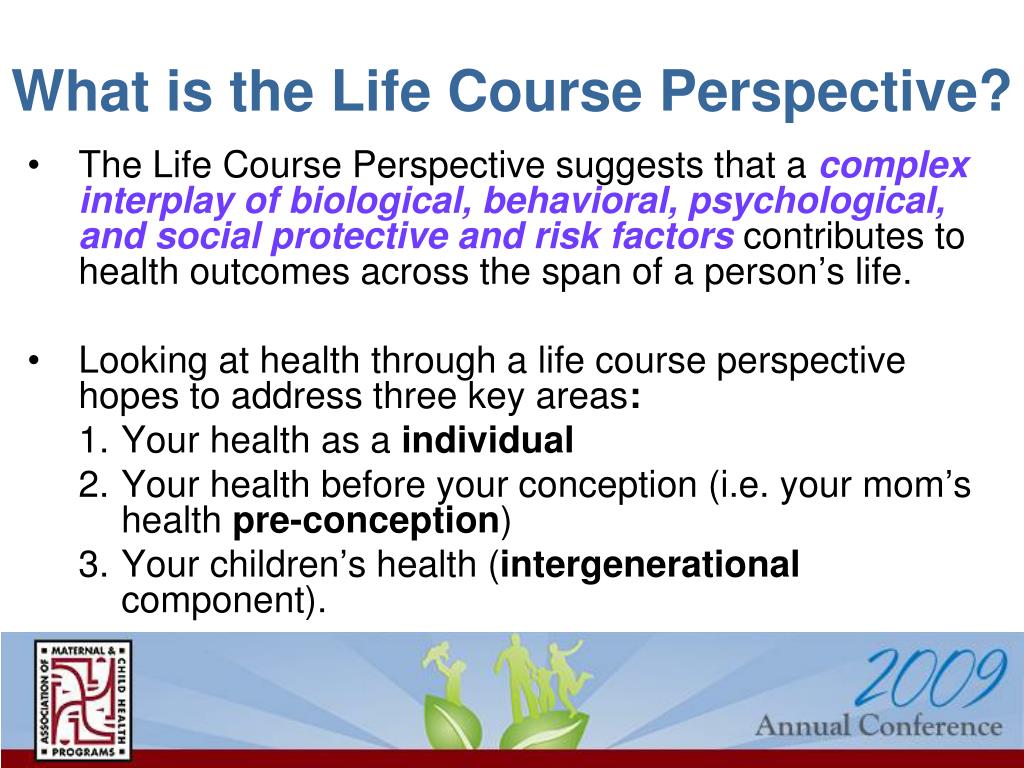
PPT Educating the MCH Workforce on the Life Course Perspective
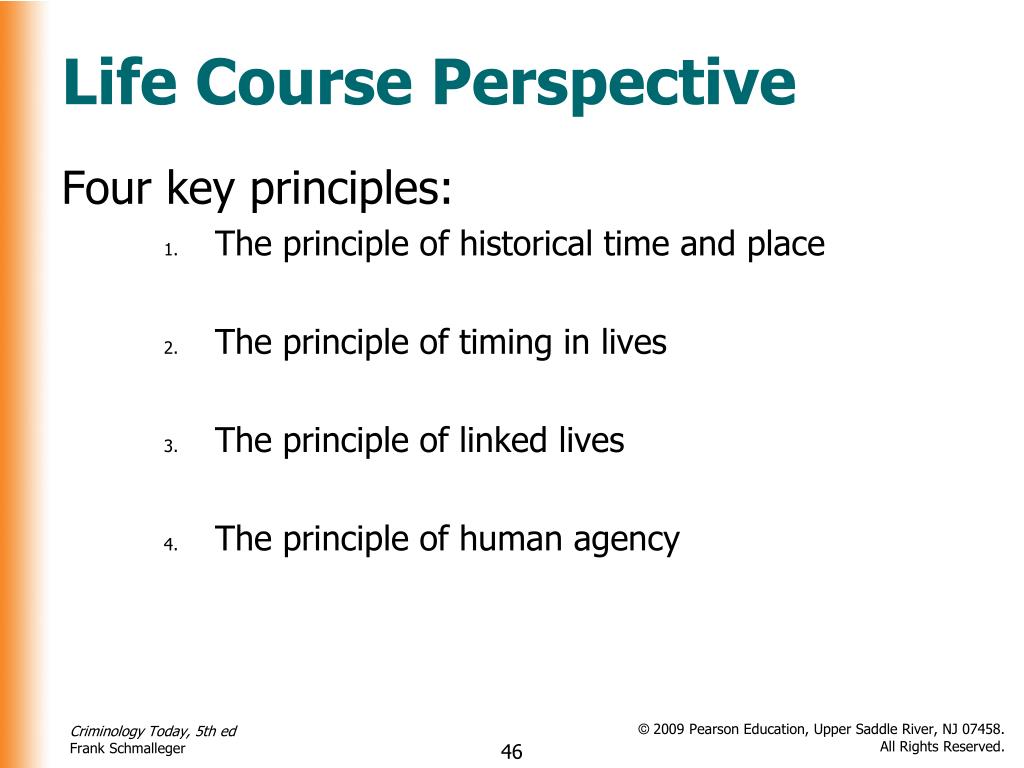
PPT Chapter 8 Theories of Social Process and Social Development

MSW 560 Lecture on Life Course Perspective YouTube
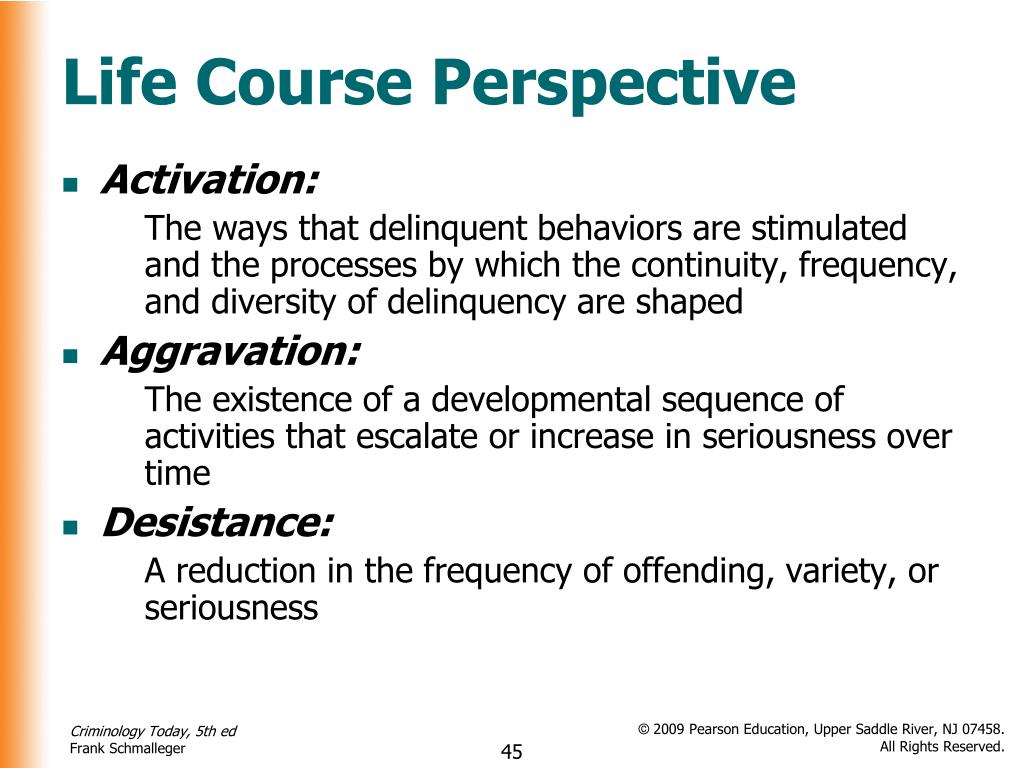
PPT Chapter 8 Theories of Social Process and Social Development

Ecological and life course conceptual framework. Download Scientific
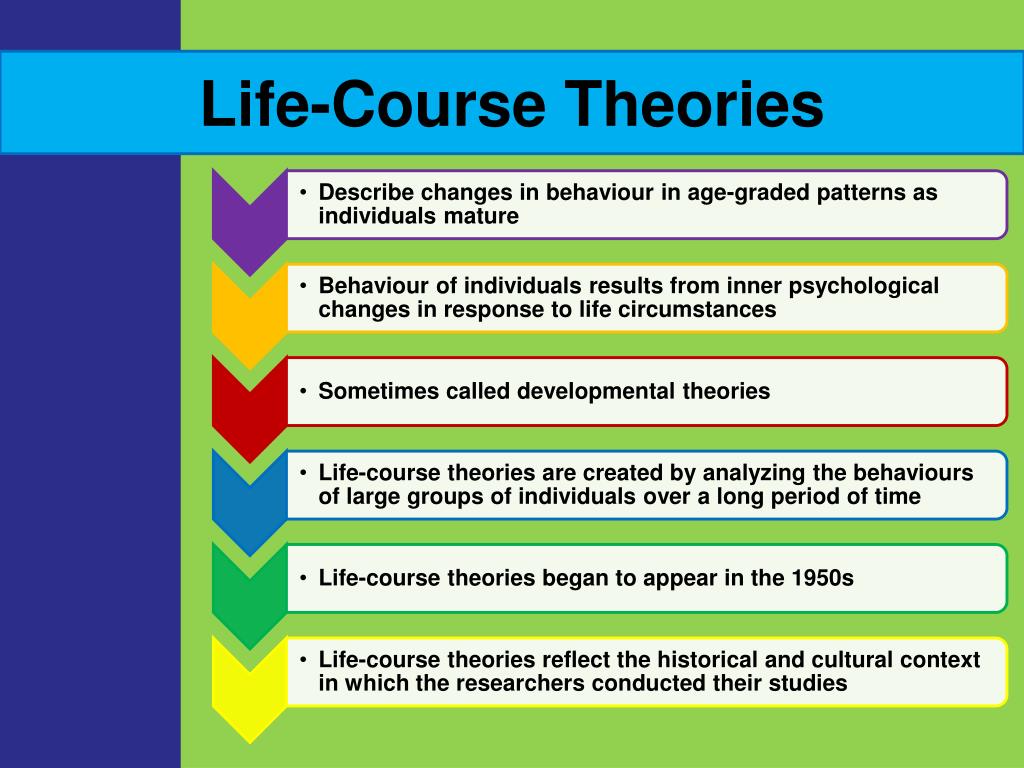
PPT Individuals and Families Diverse Perspectives Unit 2 Chapter 4
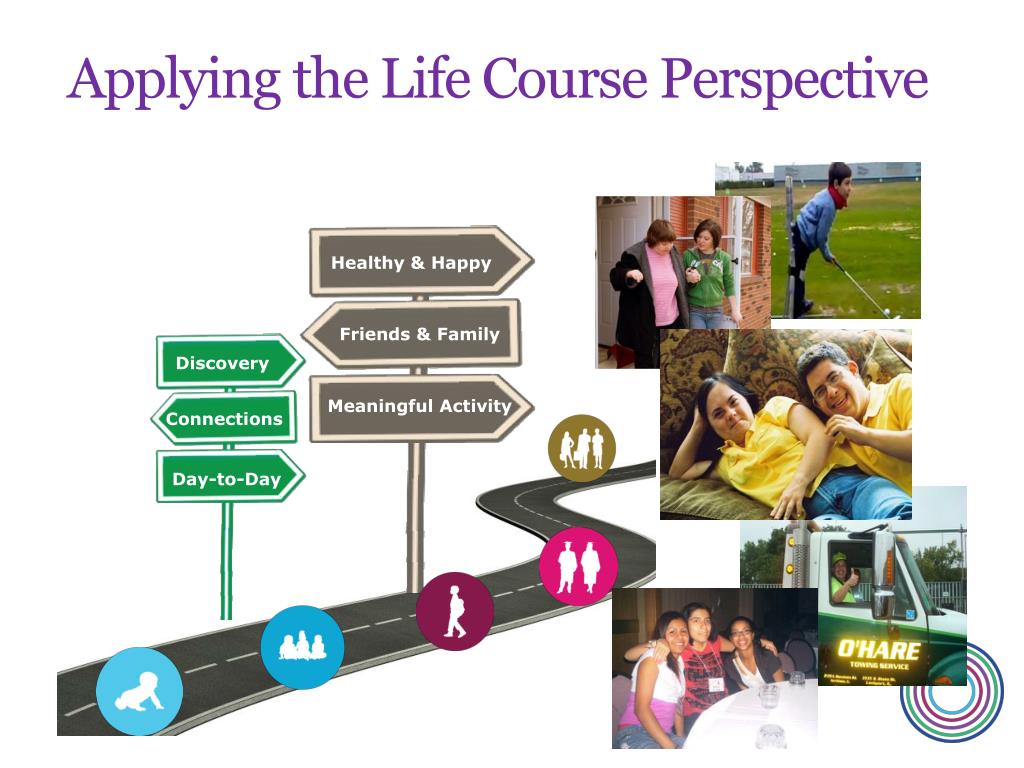
PPT Supporting Families throughout the Life Course PowerPoint
What Do Social Workers Need To Know About Biological, Psychological, Social, And Spiritual Changes Over The Life Course?
The Life Course Perspective Attempts To Understand The Continuities As Well As The Twists And Turns In The Paths Of Individual Lives.
The Life Course Perspective, An Emerging Interdisciplinary Perspective, Has Potential For Helping Social Workers Bridge Their Micro And Macro Worlds.
A Body Of Work Referred To As The “Life Course” Framework (Also Known As “Life Course Theory,” The “Life Course Paradigm,” And The “Life Course Perspective”) Has Been Increasingly Used To Motivate And Justify The Examination Of The Relationships Among Variables In Social And Behavioral Science, Particularly In The Study Of.
Related Post: