Of Course Etymology
Of Course Etymology - Of course (now rare, except in matter of course) that is part of ordinary behaviour or custom; Course = path, way, series of events, natural process (例えば 'course' of a stream or river) of course = the natural expectation, the way we. Originally referring to rough cloth for ordinary wear, the sense of rude,. Oldest attestation as of course from the 1540s, but previously used in the same sense as by course (then. And that last phrase, “in the normal. “ofcourse” is an incorrect spelling and should be avoided. When we say something occurred “of course,” we mean it was only to be expected, or that it was in the normal course of events. In the proper form of writing, “of course” consists of two distinct words of which”of” as a of preposition “of” and the noun “course.” together, they make up an idiomatic term that. The form by course (then spelled bi cours). The oldest attestation as of course is from the 1540s; Adverbial phrase of course by consequence, in regular or natural order is attested from 1540s, literally of the ordinary course; earlier in the same sense was bi cours. The meaning of course is the act or action of moving in a path from point to point. In the proper form of writing, “of course” consists of two distinct words of which”of” as a of preposition “of” and the noun “course.” together, they make up an idiomatic term that. The noad reports that the origin of course is middle english: Course = path, way, series of events, natural process (例えば 'course' of a stream or river) of course = the natural expectation, the way we. Of course (now rare, except in matter of course) that is part of ordinary behaviour or custom; Early 15c., cors ordinary (modern spelling is from late 16c.), probably adjectival use of noun cours (see course (n.)). The oldest attestation as of course is from the 1540s; I would say that it probably derives from as a matter of course or of the course of events Of course ⇒ (adverb) as expected; The oldest attestation as of course is from the 1540s; From literal meaning of the ordinary course of events. Originally referring to rough cloth for ordinary wear, the sense of rude,. Of course (now rare, except in matter of course) that is part of ordinary behaviour or custom; How to use course in a sentence. When we say something occurred “of course,” we mean it was only to be expected, or that it was in the normal course of events. Originally referring to rough cloth for ordinary wear, the sense of rude,. Course = path, way, series of events, natural process (例えば 'course' of a stream or river) of course = the natural expectation, the. Oldest attestation as of course from the 1540s, but previously used in the same sense as by course (then. And that last phrase, “in the normal. Originally referring to rough cloth for ordinary wear, the sense of rude,. Familiarize yourself with synonyms and contexts. The meaning of course is the act or action of moving in a path from point. “of course” is the correct phrase to use for affirmation or agreement. Early 15c., cors ordinary (modern spelling is from late 16c.), probably adjectival use of noun cours (see course (n.)). “ofcourse” is an incorrect spelling and should be avoided. Adverbial phrase of course by consequence, in regular or natural order is attested from 1540s, literally of the ordinary course;. In the proper form of writing, “of course” consists of two distinct words of which”of” as a of preposition “of” and the noun “course.” together, they make up an idiomatic term that. Early 15c., cors ordinary (modern spelling is from late 16c.), probably adjectival use of noun cours (see course (n.)). Course = path, way, series of events, natural process. The oldest attestation as of course is from the 1540s; The meaning of course is the act or action of moving in a path from point to point. Familiarize yourself with synonyms and contexts. “ofcourse” is an incorrect spelling and should be avoided. Oldest attestation as of course from the 1540s, but previously used in the same sense as by. The noad reports that the origin of course is middle english: (see also the definition of course given by oxford living dictionaries.) In this article, we’ll thoroughly explore the origin, meaning, and correct usage of “of course,” as well as why people mistakenly spell it as “ofcourse.” we’ll provide examples,. Of course ⇒ (adverb) as expected; The oldest attestation as. Familiarize yourself with synonyms and contexts. In this article, we’ll thoroughly explore the origin, meaning, and correct usage of “of course,” as well as why people mistakenly spell it as “ofcourse.” we’ll provide examples,. Of course was first used in the sense of a matter of course (one could also say a thing of course), and meant as a natural. How to use course in a sentence. The oldest attestation as of course is from the 1540s; Vb (intransitive) to run, race, or flow, esp swiftly and without interruption; From literal meaning of the ordinary course of events. The noad reports that the origin of course is middle english: Of course ⇒ (adverb) as expected; The form by course (then spelled bi cours). (see also the definition of course given by oxford living dictionaries.) In the proper form of writing, “of course” consists of two distinct words of which”of” as a of preposition “of” and the noun “course.” together, they make up an idiomatic term that. Of course was. From literal meaning of the ordinary course of events. What does of course mean? The oldest attestation as of course is from the 1540s; (see also the definition of course given by oxford living dictionaries.) In the proper form of writing, “of course” consists of two distinct words of which”of” as a of preposition “of” and the noun “course.” together, they make up an idiomatic term that. And that last phrase, “in the normal. In this article, we’ll thoroughly explore the origin, meaning, and correct usage of “of course,” as well as why people mistakenly spell it as “ofcourse.” we’ll provide examples,. Familiarize yourself with synonyms and contexts. Adverbial phrase of course by consequence, in regular or natural order is attested from 1540s, literally of the ordinary course; earlier in the same sense was bi cours. Vb (intransitive) to run, race, or flow, esp swiftly and without interruption; How to use course in a sentence. “ofcourse” is an incorrect spelling and should be avoided. Of course (now rare, except in matter of course) that is part of ordinary behaviour or custom; Oldest attestation as of course from the 1540s, but previously used in the same sense as by course (then. The form by course (then spelled bi cours). Of course was first used in the sense of a matter of course (one could also say a thing of course), and meant as a natural result, but the earliest citation of the phrase of course.
Courses — The Etymology of Number Robert Edward Grant
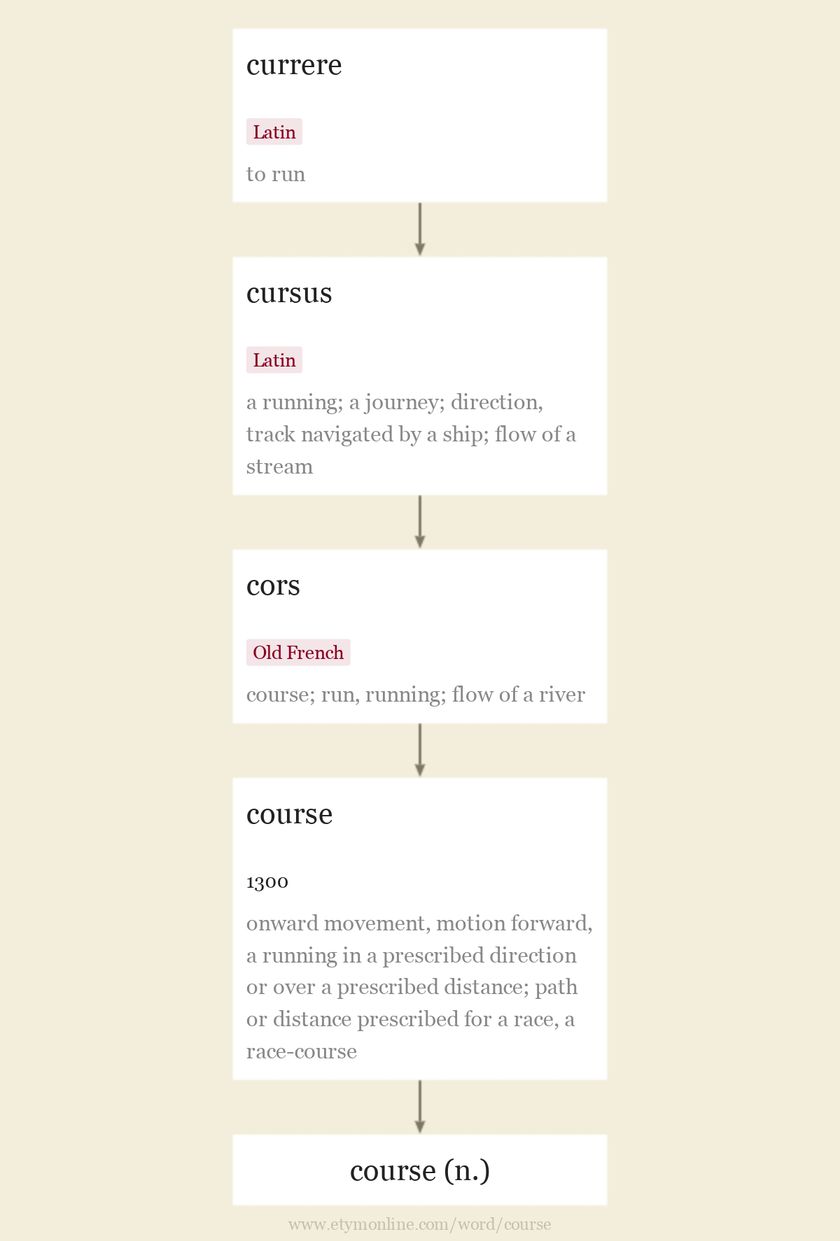
course Etymology, origin and meaning of course by
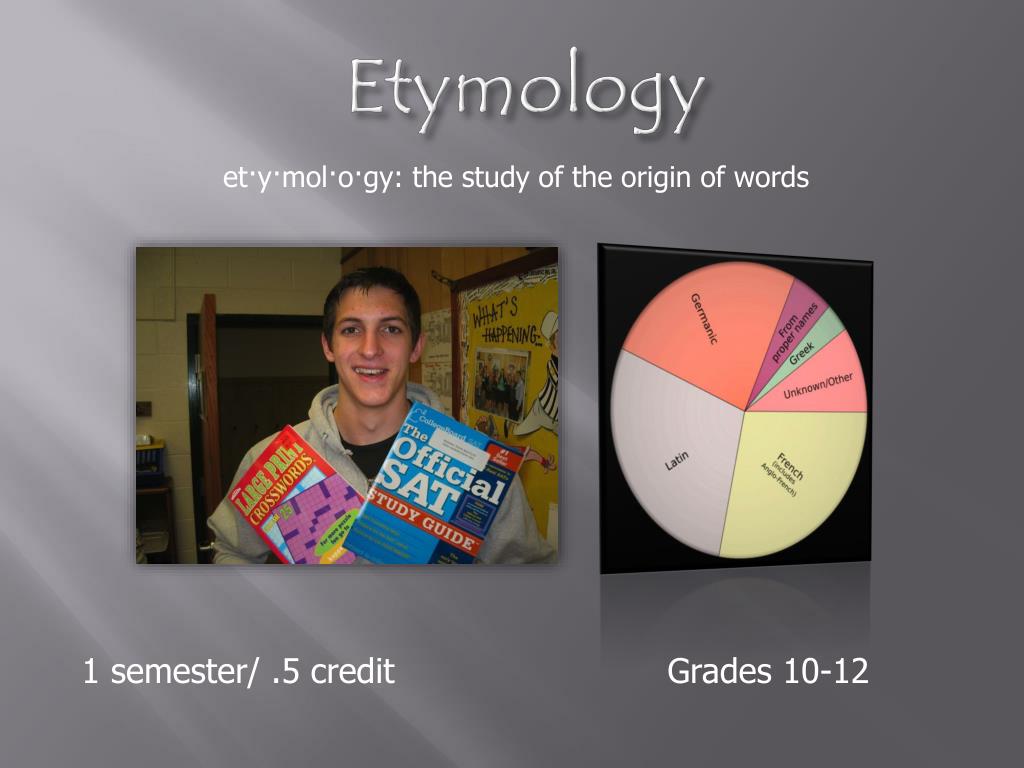
PPT English Required Courses PowerPoint Presentation, free download

O Que Significa Of Course FDPLEARN

A Splash of Etymology Eureka Courses
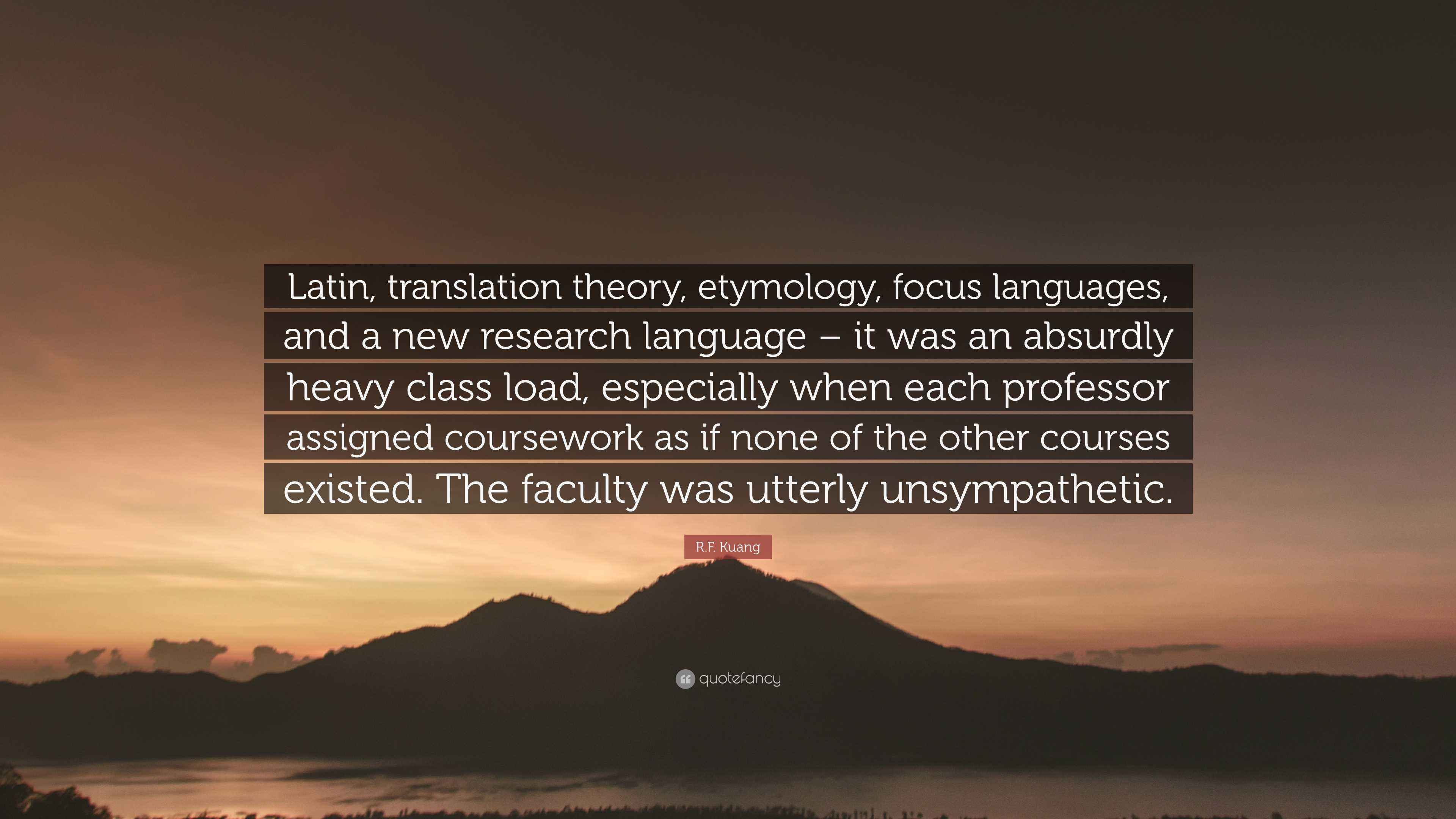
R.F. Kuang Quote “Latin, translation theory, etymology, focus

Of course or ofcourse which form is correct? Difference…
‘Of Course’ or ‘Ofcourse’ Which is Correct?
of course meaning, origin, example, sentence, history

R.F. Kuang Quote “Latin, translation theory, etymology, focus
From Literal Meaning Of The Ordinary Course Of Events.
Early 15C., Cors Ordinary (Modern Spelling Is From Late 16C.), Probably Adjectival Use Of Noun Cours (See Course (N.)).
The Noad Reports That The Origin Of Course Is Middle English:
Originally Referring To Rough Cloth For Ordinary Wear, The Sense Of Rude,.
Related Post: