
That Train Has Run Its Course
That Train Has Run Its Course - (used especially in reference to illness and disease.) unfortunately, there's no treatment for this kind of infection. (used especially in reference to illness and disease.) unfortunately, there's no treatment for this kind of infection. (used especially in reference to illness and disease.) unfortunately, there's no treatment for this kind of infection. Run its course is correct and usable in written english. Don't stress about susan's new boyfriend. To clarify, “has run” is the correct form, as “run” is the past participle of the verb, while “ran” is its simple past tense. For example, the pandemic will eventually run its course, but it could be several more months before it ends. You just have to let it run its course. How to use run its course in a sentence. However, from my understanding, it should rather be this x has ran its course as it's something that has happened in the past rather than in the present. (used especially in reference to illness and disease.) unfortunately, there's no treatment for this kind of infection. To progress along something's natural course and conclude at its normal pace. (used especially in reference to illness and disease.) unfortunately, there's no treatment for this kind of infection. I had to accept that the relationship had run its course. Run its course is correct and usable in written english. However, from my understanding, it should rather be this x has ran its course as it's something that has happened in the past rather than in the present. Often a sick person is told that they must rest and let the illness run its course. You just have to let it run its course. Don't stress about susan's new boyfriend. How to use run its course in a sentence. You just have to let it run its course. How to use run its course in a sentence. Find 108 different ways to say run its course, along with antonyms, related words, and example sentences at thesaurus.com. It is an idiom that means for an event or situation to complete its natural progression or follow its expected timeline. A guide. (used especially in reference to illness and disease.) unfortunately, there's no treatment for this kind of infection. To clarify, “has run” is the correct form, as “run” is the past participle of the verb, while “ran” is its simple past tense. (used especially in reference to illness and disease.) unfortunately, there's no treatment for this kind of infection. You just. Often a sick person is told that they must rest and let the illness run its course. The doctor's advice is to let the fever run its course. 'run its course' in a sentence: Don't stress about susan's new boyfriend. If something has run its course then it has already finished. Don't stress about susan's new boyfriend. You just have to let it run its course. (used especially in reference to illness and disease.) unfortunately, there's no treatment for this kind of infection. Often a sick person is told that they must rest and let the illness run its course. (used especially in reference to illness and disease.) unfortunately, there's no. Often a sick person is told that they must rest and let the illness run its course. Run its course is correct and usable in written english. Don't stress about susan's new boyfriend. Don't stress about susan's new boyfriend. You just have to let it run its course. If something has run its course then it has already finished. How to use run its course in a sentence. To progress along something's natural course and conclude at its normal pace. To progress along something's natural course and conclude at its normal pace. To progress along something's natural course and conclude at its normal pace. To progress along something's natural course and conclude at its normal pace. It is an idiom that means for an event or situation to complete its natural progression or follow its expected timeline. To progress along something's natural course and conclude at its normal pace. For example, if you say, “she has run to the store,” it accurately reflects the. Don't stress about susan's new boyfriend. You just have to let it run its course. The doctor's advice is to let the fever run its course. You are correct that run its course means to continue until finished. Don't stress about susan's new boyfriend. To progress along something's natural course and conclude at its normal pace. (used especially in reference to illness and disease.) unfortunately, there's no treatment for this kind of infection. (used especially in reference to illness and disease.) unfortunately, there's no treatment for this kind of infection. Enough time to be fond of it but also to let this idea run. Don't stress about susan's new boyfriend. You just have to let it run its course. Don't stress about susan's new boyfriend. Often a sick person is told that they must rest and let the illness run its course. A guide for english learners00:36 • what does run its course mean?01:05 • origins of the. I'm always hearing sentences like this x has run its course from native english speakers. It is an idiom that means for an event or situation to complete its natural progression or follow its expected timeline. The meaning of run its course is —used to say that something begins, continues for a time, and then ends. To progress along something's natural course and conclude at its normal pace. To clarify, “has run” is the correct form, as “run” is the past participle of the verb, while “ran” is its simple past tense. If something has run its course then it has already finished. Don't stress about susan's new boyfriend. 'run its course' in a sentence: (used especially in reference to illness and disease.) unfortunately, there's no treatment for this kind of infection. (used especially in reference to illness and disease.) unfortunately, there's no treatment for this kind of infection. For example, the pandemic will eventually run its course, but it could be several more months before it ends. How to use run its course in a sentence. (used especially in reference to illness and disease.) unfortunately, there's no treatment for this kind of infection. Run its course is correct and usable in written english. Don't stress about susan's new boyfriend. However, from my understanding, it should rather be this x has ran its course as it's something that has happened in the past rather than in the present.
Run Its Course Quotes top 43 famous quotes about Run Its Course

Ed Catmull Quote “Driving the train doesn’t set its course. The real

Top 34 Friendship Has Run Its Course Quotes & Sayings

Top 34 Friendship Has Run Its Course Quotes & Sayings
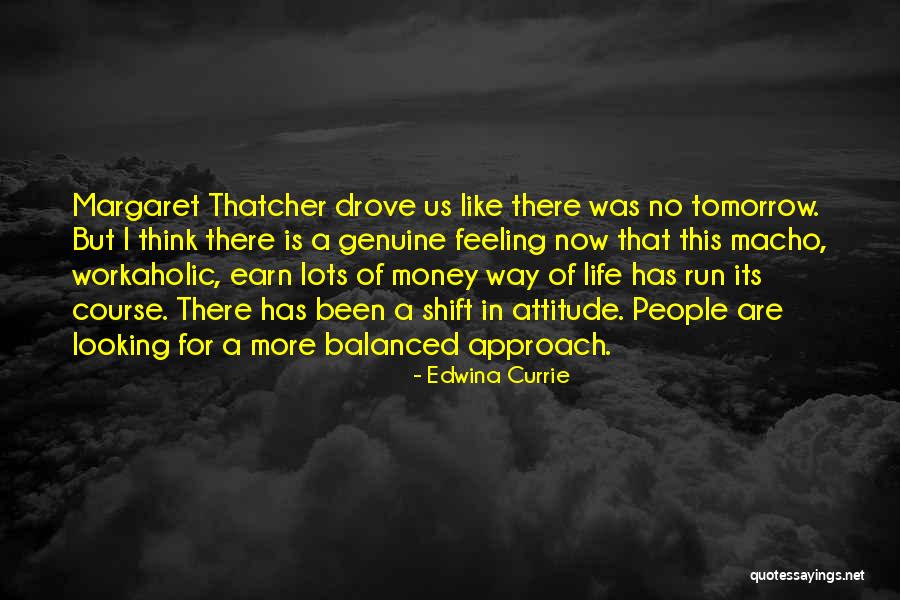
Top 78 Run Its Course Quotes & Sayings

Top 34 Friendship Has Run Its Course Quotes & Sayings

Top 78 Run Its Course Quotes & Sayings

Top 34 Friendship Has Run Its Course Quotes & Sayings

RUN ITS COURSE in a Sentence Examples 21 Ways to Use Run Its Course

ELDEN RING When time has run its course YouTube
To Progress Along Something's Natural Course And Conclude At Its Normal Pace.
You Are Correct That Run Its Course Means To Continue Until Finished.
You Just Have To Let It Run Its Course.
Understanding How To Use “Run Its Course” In A Sentence Can Help Convey The Idea That Something Has Followed Its Expected Trajectory Or Progression.
Related Post: