
Theater Appreciation Course
Theater Appreciation Course - Over the course of the semester, you will. Subject areas may include but are not limited to acting, directing, and technical theatre. This course provides a study of the art, craft, and business of the theatre. Explores live theatre productions, enriching the understanding and appreciation of the theatrical event. Students learn how theater functions, how it should be analyzed and critiqued, and are immersed in the deep traditions that underpin the world's greatest performances. Distinguish characteristics of theatre that differentiate it from other art forms. Explores the components, methods, and history of theatrical production. Describe the major components of the theatrical event. It provides insight about the. Use important theatrical terms to analyze and evaluate the methods of artistic and intellectual expression through theatre. These include advanced costume design,. Emphasis is placed on the audience's appreciation of the work of the playwright, director, actor, designer, producer,. Over the course of the semester, you will. Students seeking an mfa in our program strengthen their collaborative skills by taking design and technology classes together in the first year. A survey of the fields of theatre activity designed to provide introductory knowledge of all phases of drama, literature, performance, theatre facilities and equipment, and production procedures. Explores live theatre productions, enriching the understanding and appreciation of the theatrical event. This course is designed to. Subject areas may include but are not limited to acting, directing, and technical theatre. Describe the major components of the theatrical event. Analyze and apply the theatre artist's processes. Our rigorous, dedicated training empowers you with the practical skills to become a working theatre professional, whether your art lives onstage, backstage, or beyond. #theatreappreciation is a textbook for introductory level lecture classes such as theatre appreciation and introduction to theatre. Describe the relationship between the audience and the theatre artist. Students learn how theater functions, how it should be. Students explore common themes and approaches to thinking metaphorically and abstractly with an appreciation of design as an aesthetic distinct from the other arts, and awareness of design. Use important theatrical terms to analyze and evaluate the methods of artistic and intellectual expression through theatre. Students learn how theater functions, how it should be analyzed and critiqued, and are immersed. Explores live theatre productions, enriching the understanding and appreciation of the theatrical event. Explores the components, methods, and history of theatrical production. Describe the major components of the theatrical event. It provides insight about the. The course introduces theatre as a collaborative art form through the critical analysis of its historical context, production, theory, and connections to theatrical literature, including. Students learn how theater functions, how it should be analyzed and critiqued, and are immersed in the deep traditions that underpin the world's greatest performances. With its free and ready access, the adoption of a variety of expert source material will increase engagement with quality information that will more effectively complete the experience of both. Our rigorous, dedicated training empowers. Identify the value and necessity of theatre arts in culture and society. These include advanced costume design,. Explores live theatre productions, enriching the understanding and appreciation of the theatrical event. Survey of theater including its history, dramatic works, stage techniques, production procedures, and relation to other art forms. Course objectives this course is designed to expose you to live theatre. Over the course of the semester, you will. It provides insight about the. Analyze and apply the theatre artist's processes. Theatre appreciation (tha 114) this course is an entry level course in theatre history, its practice, and the creation of the theatrical event, exploring theatre's role as a central, social. Students explore common themes and approaches to thinking metaphorically and. Describe the major components of the theatrical event. This course is designed to. Students learn how theater functions, how it should be analyzed and critiqued, and are immersed in the deep traditions that underpin the world's greatest performances. This course provides a study of the art, craft, and business of the theatre. Subject areas may include but are not limited. This course is designed to. Includes reading, researching and evaluating a play to collaboratively. Survey of theater including its history, dramatic works, stage techniques, production procedures, and relation to other art forms. Explores the components, methods, and history of theatrical production. During this course you will learn to: The national school of drama (nsd), an autonomous body under the ministry of culture, government of india, has announced its theatre appreciation course, which will be. Participation in productions may be required. Explores the components, methods, and history of theatrical production. Describe the relationship between the audience and the theatre artist. Distinguish characteristics of theatre that differentiate it from other. Students seeking an mfa in our program strengthen their collaborative skills by taking design and technology classes together in the first year. With its free and ready access, the adoption of a variety of expert source material will increase engagement with quality information that will more effectively complete the experience of both. Includes reading, researching and evaluating a play to. This course provides a study of the art, craft, and business of the theatre. Students seeking an mfa in our program strengthen their collaborative skills by taking design and technology classes together in the first year. Students explore common themes and approaches to thinking metaphorically and abstractly with an appreciation of design as an aesthetic distinct from the other arts, and awareness of design. Students learn how theater functions, how it should be analyzed and critiqued, and are immersed in the deep traditions that underpin the world's greatest performances. Emphasis is placed on the audience's appreciation of the work of the playwright, director, actor, designer, producer,. Identify the value and necessity of theatre arts in culture and society. Distinguish characteristics of theatre that differentiate it from other art forms. These include advanced costume design,. Describe the major components of the theatrical event. Theatre appreciation (tha 114) this course is an entry level course in theatre history, its practice, and the creation of the theatrical event, exploring theatre's role as a central, social. Over the course of the semester, you will. Explores the components, methods, and history of theatrical production. Describe the relationship between the audience and the theatre artist. Trace a fundamental history of theatre. It provides insight about the. Our rigorous, dedicated training empowers you with the practical skills to become a working theatre professional, whether your art lives onstage, backstage, or beyond.
Theatre Appreciation Intro to class YouTube
Theatre Appreciation A Behind the Scenes Look of this Collaborative
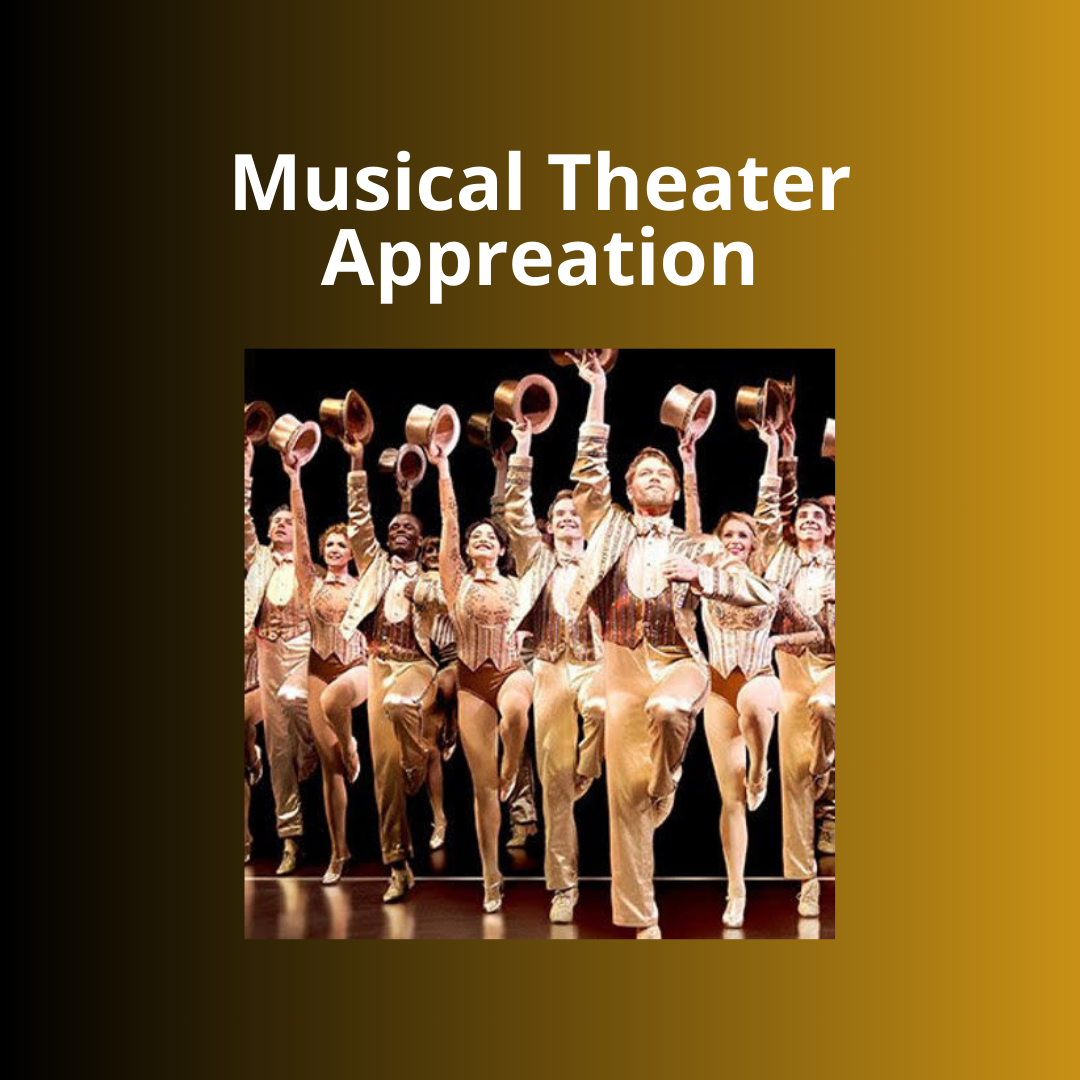
Musical Theater Appreciation Zoom Center For Independent Futures

Theatre & Art Appreciation Course
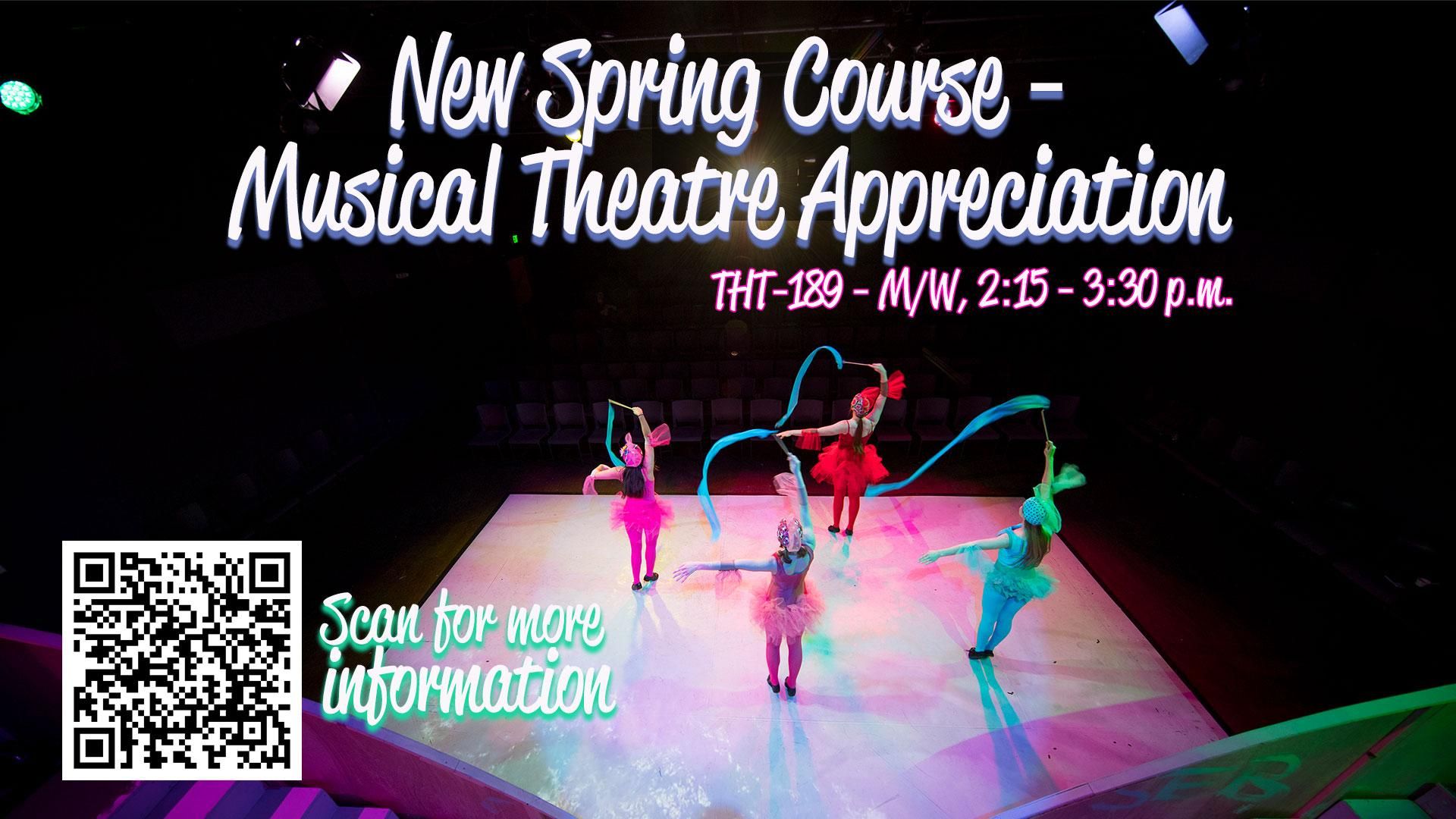
New Spring Course Musical Theatre Appreciation Carroll College
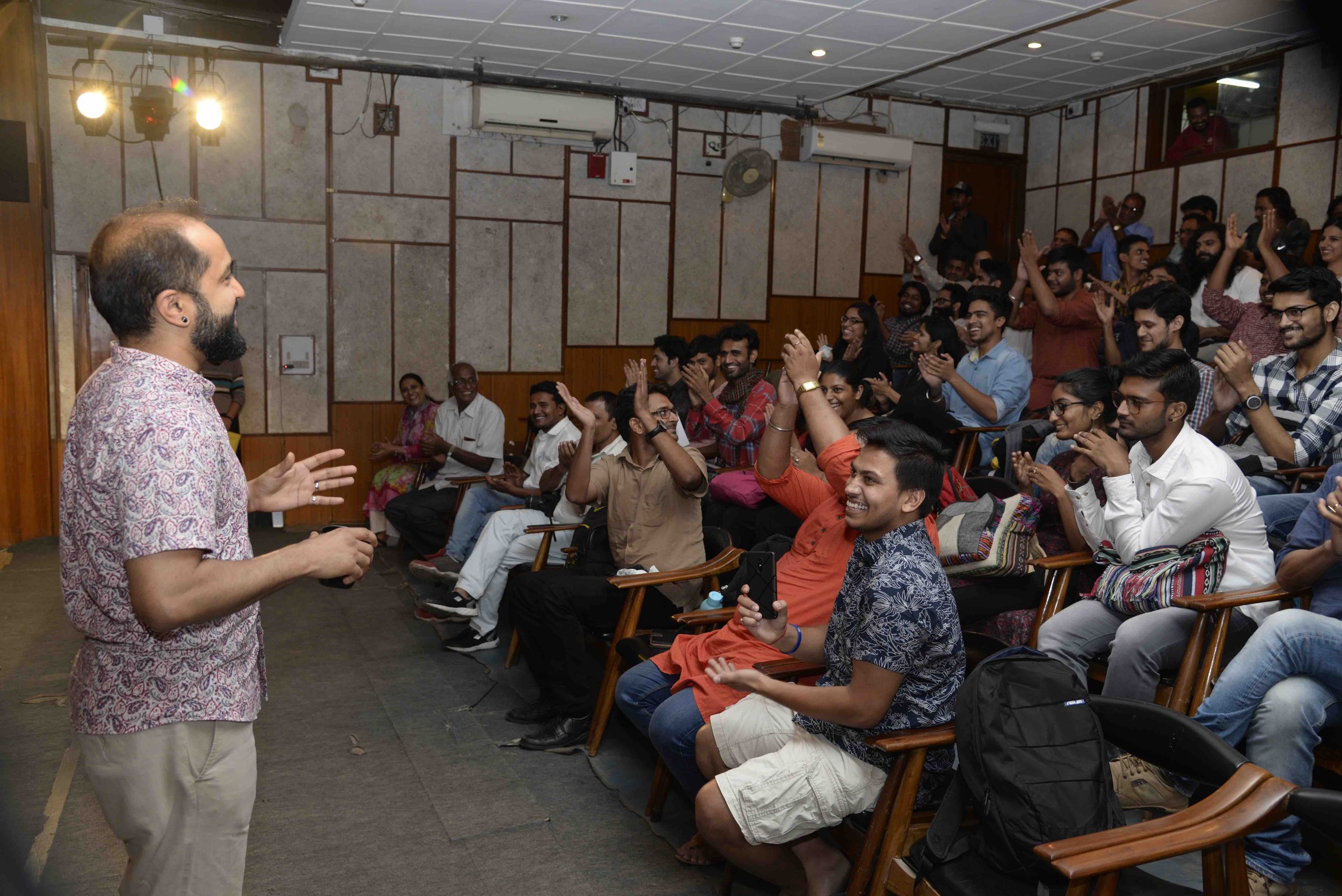
Theatre Appreciation Course — AMITESH GROVER
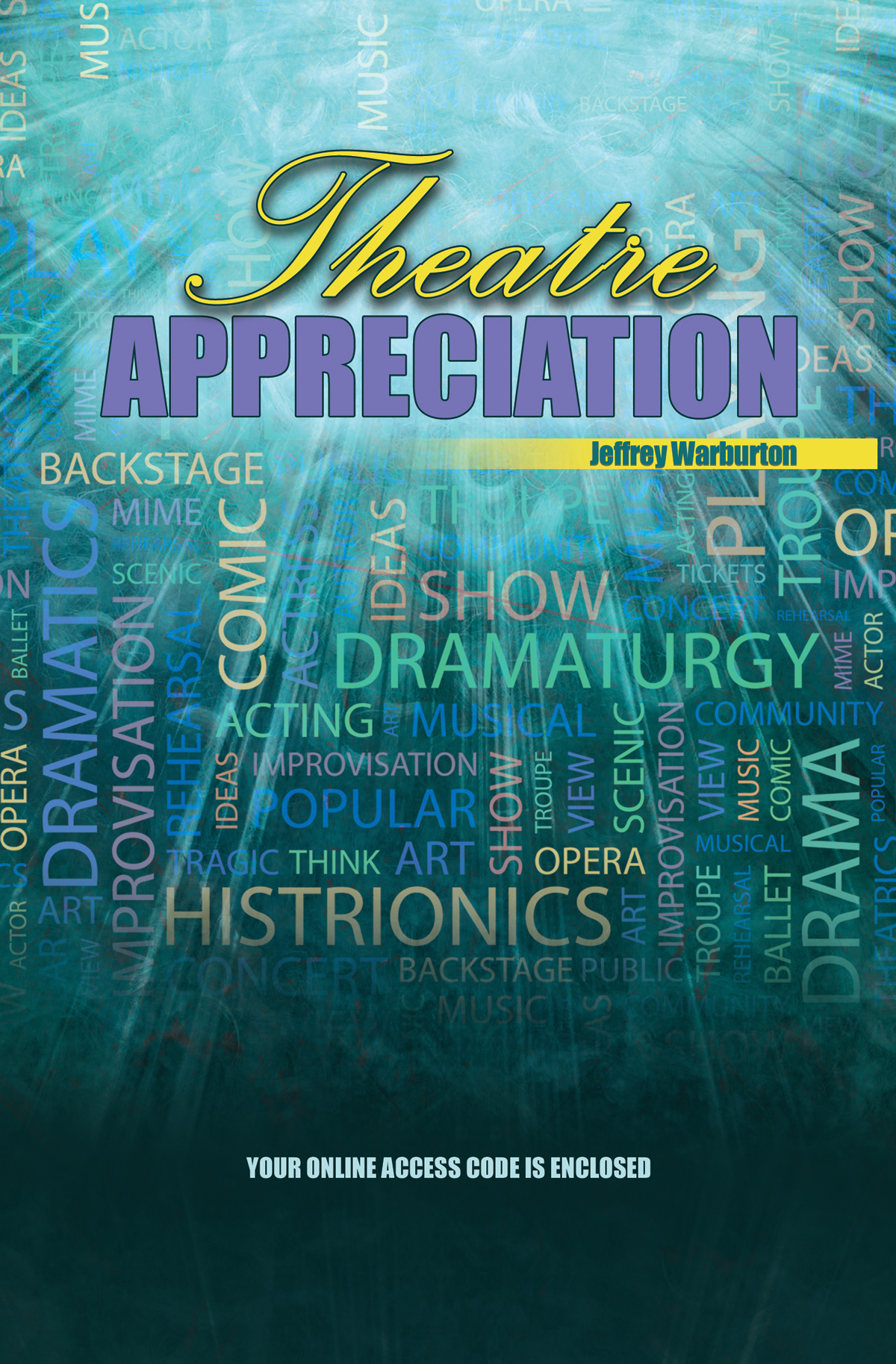
Product Details Theatre Appreciation Great River Learning

Theatre Appreciation for the Whole Family Cache Valley Family Magazine
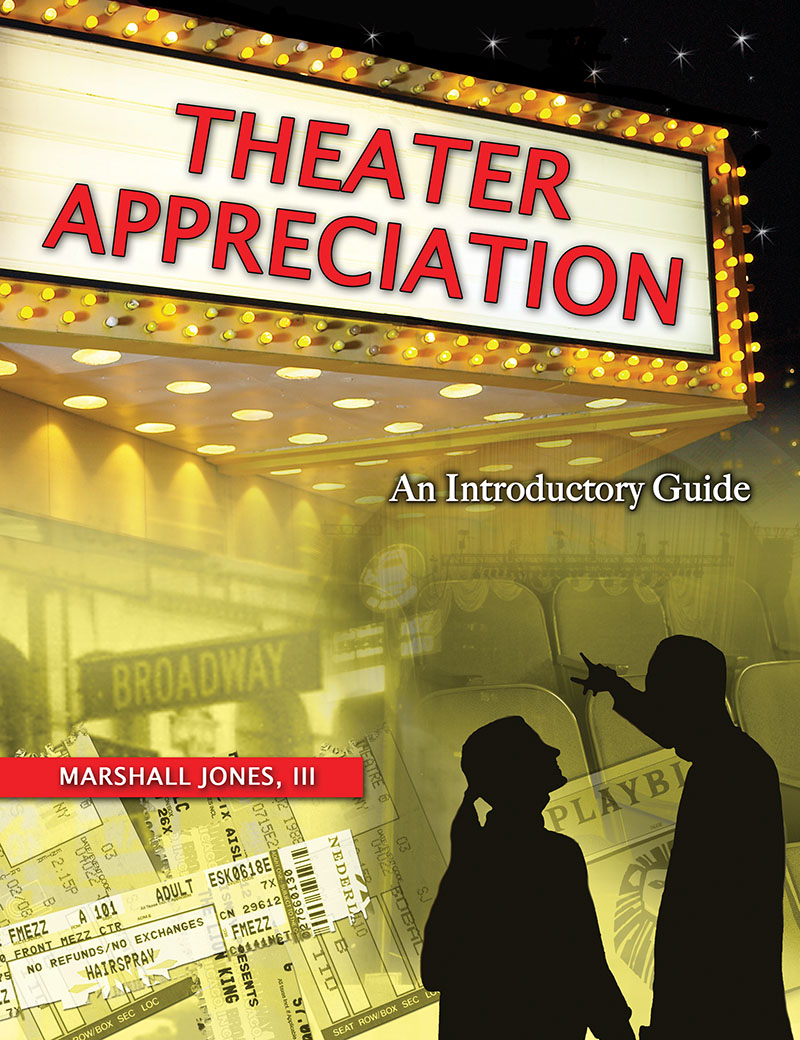
THEATER APPRECIATION AN INTRODUCTORY GUIDE FOR COLLEGE STUDENTS

Theatre Appreciation Course — AMITESH GROVER
Survey Of Theater Including Its History, Dramatic Works, Stage Techniques, Production Procedures, And Relation To Other Art Forms.
During This Course You Will Learn To:
Explores Live Theatre Productions, Enriching The Understanding And Appreciation Of The Theatrical Event.
The Course Introduces Theatre As A Collaborative Art Form Through The Critical Analysis Of Its Historical Context, Production, Theory, And Connections To Theatrical Literature, Including The.
Related Post: