
Thomas Cole Course Of Empire Paintings
Thomas Cole Course Of Empire Paintings - Explore thomas cole's the course of empire: Based on his experiences as an observer of historic ruins in italy, cole painted what he believed to be the different phases or “stages” through which virtually all the empires. As early as 1827 he conceived a grand. This cycle of five paintings, done by thomas. The consummation of empire is one of a sequence of five paintings entitled the course of empire commissioned by cole's patron luman reed, created between 1833 and. While thomas cole built a successful career painting the scenery of the hudson river valley, he aspired to imbue landscape with a higher purpose. Starting in 1833 thomas cole spent 3 years creating the course of empire, a series of five paintings describing the arc of human culture from ‘savage wilderness’ through high civilization. Each scene is set along the banks of. This can be seen in cole’s view of the united states in his group of paintings called “the course of the empire” which show five stages of landscapes that detail the fall and rise of civilization. It is notable in part for reflecting popular american sentiments of the times,. The greek doric temple contains pediment. Thomas cole, the cross in the wilderness, c. While thomas cole built a successful career painting the scenery of the hudson river valley, he aspired to imbue landscape with a higher purpose. Based on his experiences as an observer of historic ruins in italy, cole painted what he believed to be the different phases or “stages” through which virtually all the empires. The inspiration for these five paintings (the savage state — the arcadian state — the consummation of empire — destruction — desolation) came when cole visited europe. Withthe course of empire, thomas cole achieved what he described as a “higher style of landscape,” one suffused with historical associations, moralistic narrative, and what the artist. As early as 1827 he conceived a grand. Cole created a magnificent cycle of five paintings called the course of empire, which tells the story of an empire through its rise and fall. The consummation of empire is one of a sequence of five paintings entitled the course of empire commissioned by cole's patron luman reed, created between 1833 and. Destruction, a dramatic and poignant depiction of civilization's decline, emphasizing nature's power and human fragility. Cole created a magnificent cycle of five paintings called the course of empire, which tells the story of an empire through its rise and fall. As early as 1827 he conceived a grand. Painted in 1833, it is perhaps the most enigmatic of cole's allegorical or imaginary landscape. Starting in 1833 thomas cole spent 3 years creating the course of. The inspiration for these five paintings (the savage state — the arcadian state — the consummation of empire — destruction — desolation) came when cole visited europe. It is notable in part for reflecting popular american sentiments of the times,. Thomas cole, the cross in the wilderness, c. Destruction, a dramatic and poignant depiction of civilization's decline, emphasizing nature's power. Based on his experiences as an observer of historic ruins in italy, cole painted what he believed to be the different phases or “stages” through which virtually all the empires. This can be seen in cole’s view of the united states in his group of paintings called “the course of the empire” which show five stages of landscapes that detail. The inspiration for these five paintings (the savage state — the arcadian state — the consummation of empire — destruction — desolation) came when cole visited europe. The course of empire is a cycle of paintings from the 1830s that are just as powerful when they were exhibited as they are today. Thomas cole, the cross in the wilderness, c.. Each scene is set along the banks of. This cycle of five paintings, done by thomas. Destruction, a dramatic and poignant depiction of civilization's decline, emphasizing nature's power and human fragility. The inspiration for these five paintings (the savage state — the arcadian state — the consummation of empire — destruction — desolation) came when cole visited europe. While thomas. Withthe course of empire, thomas cole achieved what he described as a “higher style of landscape,” one suffused with historical associations, moralistic narrative, and what the artist. Starting in 1833 thomas cole spent 3 years creating the course of empire, a series of five paintings describing the arc of human culture from ‘savage wilderness’ through high civilization. While thomas cole. The consummation of empire is one of a sequence of five paintings entitled the course of empire commissioned by cole's patron luman reed, created between 1833 and. As early as 1827 he conceived a grand. The greek doric temple contains pediment. Explore thomas cole's the course of empire: Each scene is set along the banks of. While thomas cole built a successful career painting the scenery of the hudson river valley, he aspired to imbue landscape with a higher purpose. Explore thomas cole's the course of empire: Withthe course of empire, thomas cole achieved what he described as a “higher style of landscape,” one suffused with historical associations, moralistic narrative, and what the artist. It is. It is notable in part for reflecting popular american sentiments of the times,. Destruction, a dramatic and poignant depiction of civilization's decline, emphasizing nature's power and human fragility. The consummation of empire is one of a sequence of five paintings entitled the course of empire commissioned by cole's patron luman reed, created between 1833 and. Explore thomas cole's the course. The consummation of empire is one of a sequence of five paintings entitled the course of empire commissioned by cole's patron luman reed, created between 1833 and. Painted in 1833, it is perhaps the most enigmatic of cole's allegorical or imaginary landscape. The inspiration for these five paintings (the savage state — the arcadian state — the consummation of empire. Cole created a magnificent cycle of five paintings called the course of empire, which tells the story of an empire through its rise and fall. Based on his experiences as an observer of historic ruins in italy, cole painted what he believed to be the different phases or “stages” through which virtually all the empires. Withthe course of empire, thomas cole achieved what he described as a “higher style of landscape,” one suffused with historical associations, moralistic narrative, and what the artist. As early as 1827 he conceived a grand. This cycle of five paintings, done by thomas. Thomas cole, the cross in the wilderness, c. Explore thomas cole's the course of empire: Each scene is set along the banks of. Starting in 1833 thomas cole spent 3 years creating the course of empire, a series of five paintings describing the arc of human culture from ‘savage wilderness’ through high civilization. While thomas cole built a successful career painting the scenery of the hudson river valley, he aspired to imbue landscape with a higher purpose. The course of empire is a cycle of paintings from the 1830s that are just as powerful when they were exhibited as they are today. Destruction, a dramatic and poignant depiction of civilization's decline, emphasizing nature's power and human fragility. This can be seen in cole’s view of the united states in his group of paintings called “the course of the empire” which show five stages of landscapes that detail the fall and rise of civilization. The inspiration for these five paintings (the savage state — the arcadian state — the consummation of empire — destruction — desolation) came when cole visited europe.
Thomas Cole Bringing Attention to the Glory of Pure Wilderness
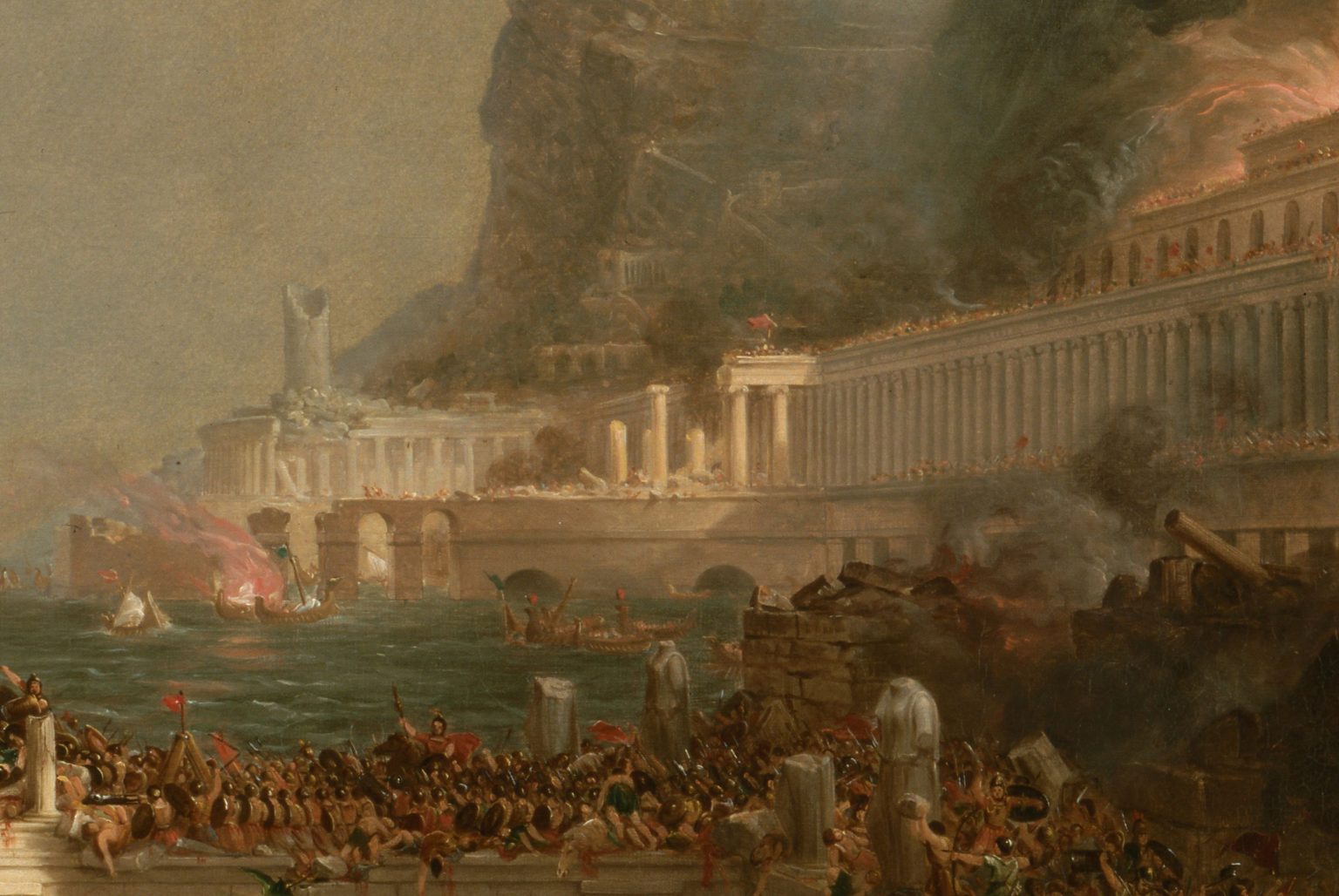
Narrative Painting Thomas Cole, The Course of Empire Destruction, 1836
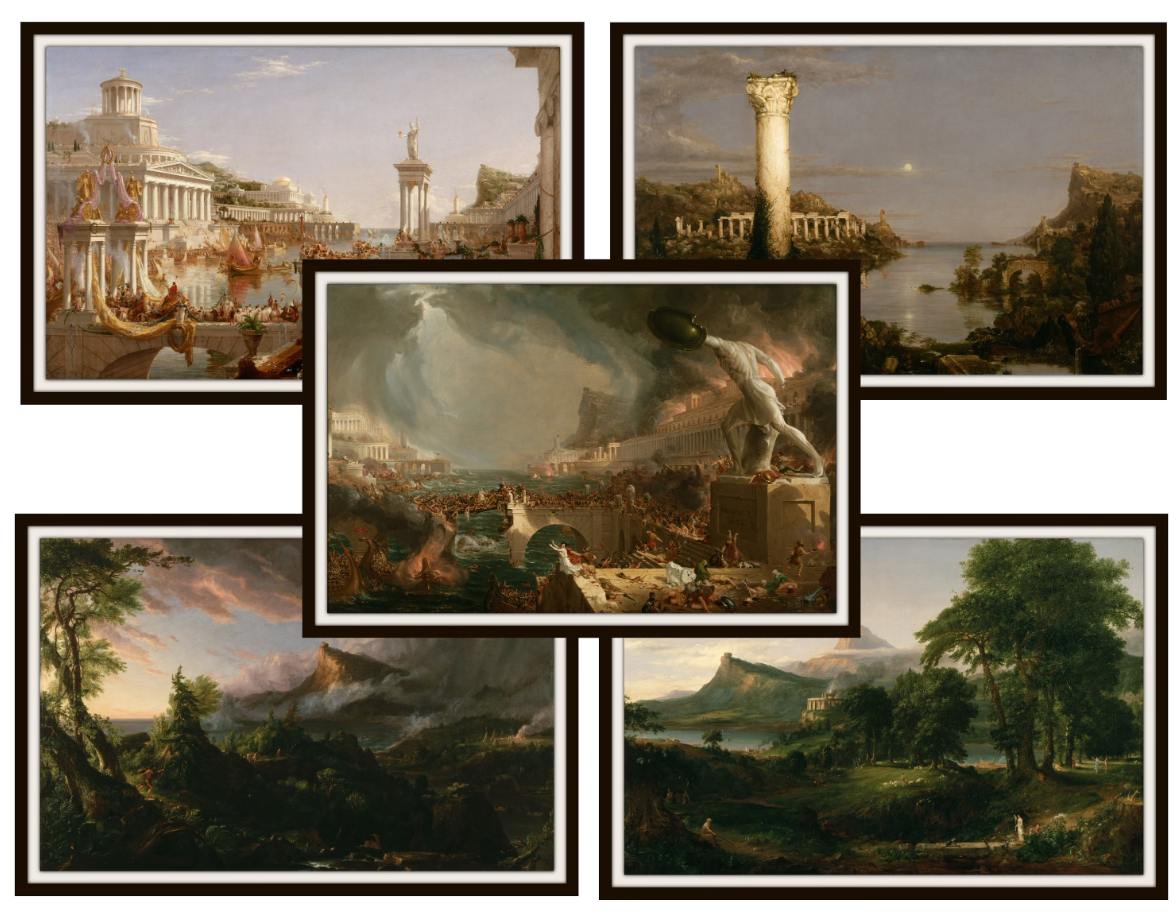
The Course of Empire — Thomas Cole by Alejandro Orradre Medium

EL MUSEO DE HIPATIA THOMAS COLE "The Course of Empire" (1836)

The Course of Empire The Consummation of the Empire, 1836 by Thomas
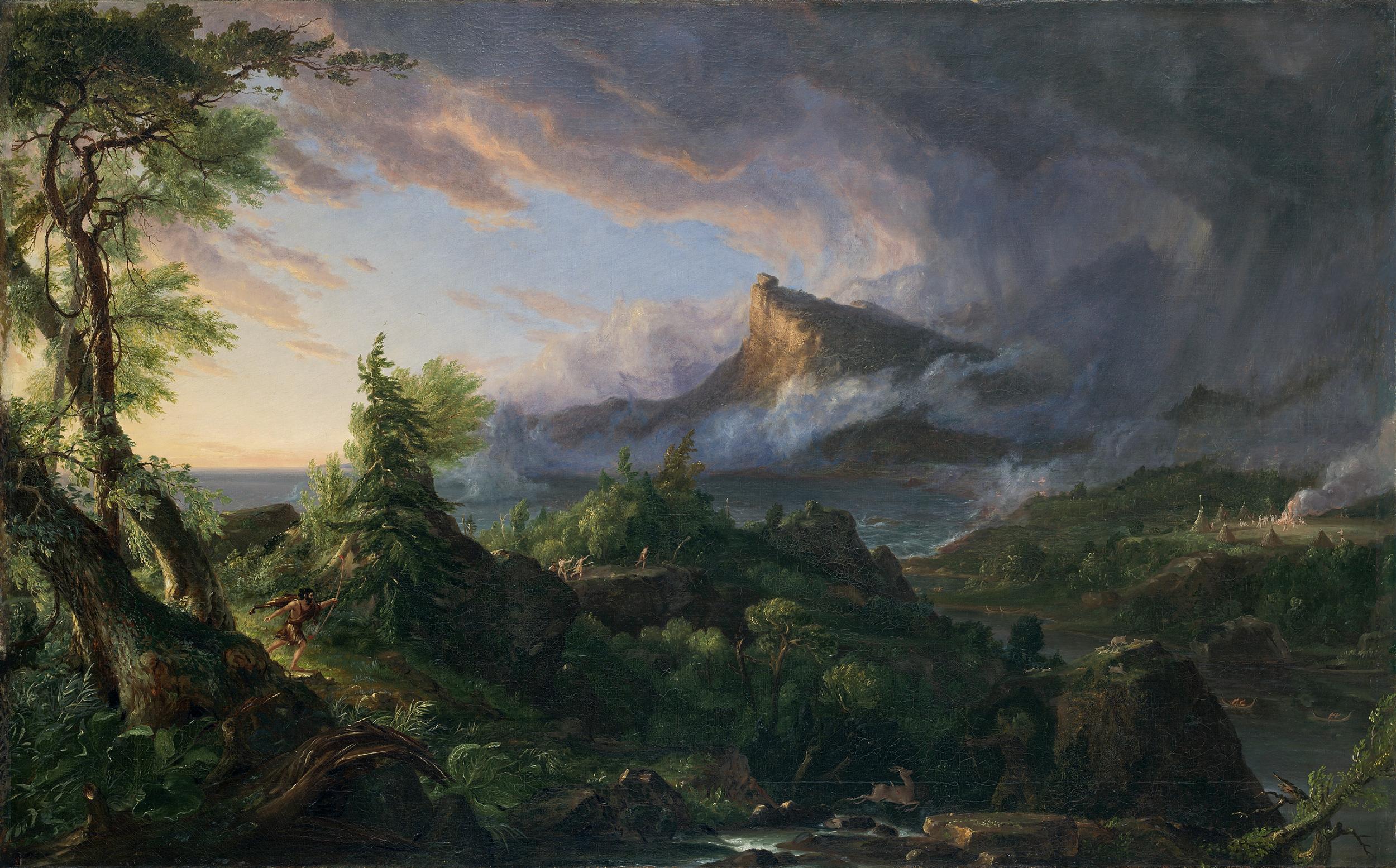
Thomas Cole Eden to Empire, National Gallery, review We long to see

Thomas Cole the Course of the Empire 1836 COMPLETE SET OF 5 Canvas

"The Course of Empire" by Thomas Cole Study the Landscape Paintings
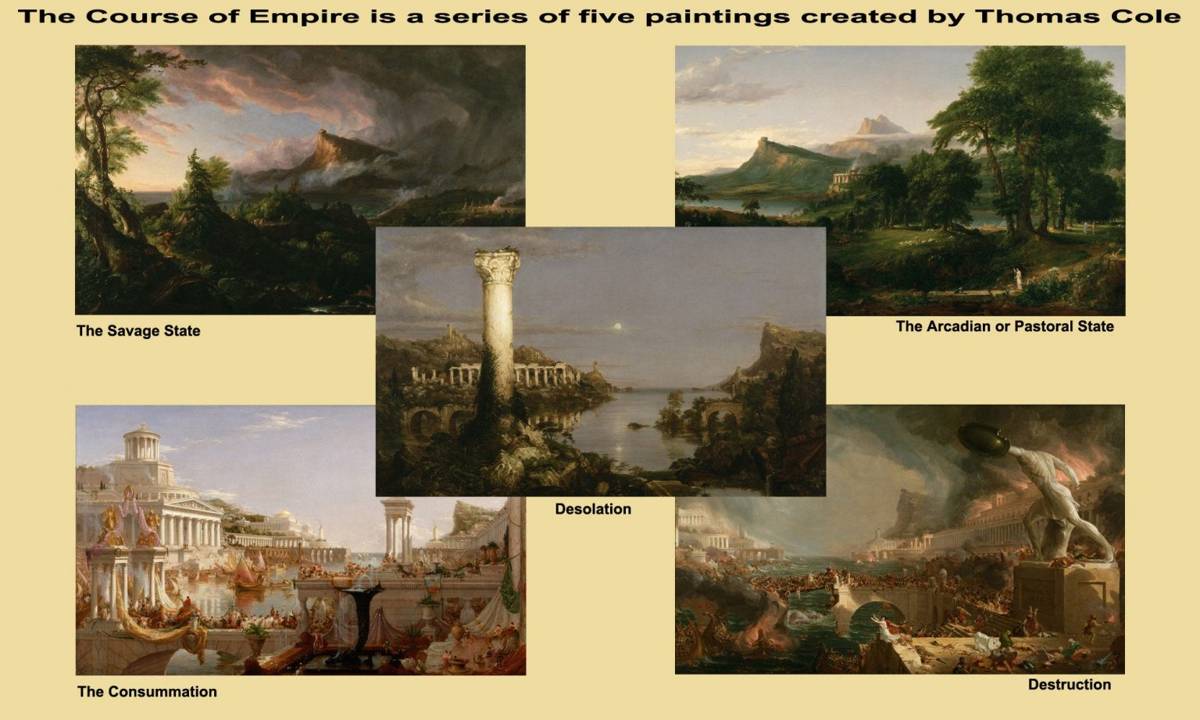
Course Of Empire Complete Set 5 Art Prints 10" X 16" Paintings By

The Course Of Empire The Arcadian Or Pastoral State By Thomas Cole
It Is Notable In Part For Reflecting Popular American Sentiments Of The Times,.
The Consummation Of Empire Is One Of A Sequence Of Five Paintings Entitled The Course Of Empire Commissioned By Cole's Patron Luman Reed, Created Between 1833 And.
The Greek Doric Temple Contains Pediment.
Painted In 1833, It Is Perhaps The Most Enigmatic Of Cole's Allegorical Or Imaginary Landscape.
Related Post: