
What Is A Course Prefix
What Is A Course Prefix - Courses that do not require prerequisites are available to students. A sequence of courses such as chem 1210, chem 1220, chem 1230, etc. What is a course number? The program(s) column lists the. Knowing the academic discipline can give you some insight into how it will be taught. Use of this sequential numbering may indicate either required prerequisite courses or a recommended. They consist of four important blocks of information. The university course numbering system indicates courses generally available to students at different levels. This policy explains the university's system of course numbering and. Course numbers are an indication of the level of difficulty of a course. Not all course prefixes are obvious or intuitive, though. A course number is a unique identifier assigned to a specific course offered by an institution of higher learning. Course prefixes are useful because they indicate the subject of a course. The numbers in parenthesis following the title of a course. Course numbers indicate the level: The prefix is not intended to identify the. The program(s) column lists the. Courses are listed by course prefix and course number. Knowing the academic discipline can give you some insight into how it will be taught. This policy explains the university's system of course numbering and. Knowing the academic discipline can give you some insight into how it will be taught. Not all course prefixes are obvious or intuitive, though. Following are course numbers which are common to departments across campus. The prefix/es will be consistently used. Take a look at the examples below. The prefix is not intended to identify the. Use of this sequential numbering may indicate either required prerequisite courses or a recommended. These common numbers may be used under named conditions by prefixing with the department. The course subjects below are listed alphabetically by prefix, followed by the complete subject name in the definition column. Courses are listed by course. Common prefixes include pre, bi, and anti. Course prefixes are listed below in alphabetical order. The program(s) column lists the. At the end of each prefix designation is an abbreviated symbol in. The numbers in parenthesis following the title of a course. The prefix/es will be consistently used. How to find a course: All classes are identified with a two or three letter course prefix which corresponds to an academic subject. Colleges use course codes to describe and organize their courses in a way that can be easily understood by both colleges and students (if said students have translation guides, that is).. A sequence of courses such as chem 1210, chem 1220, chem 1230, etc. Courses that do not require prerequisites are available to students. How to find a course: Use of this sequential numbering may indicate either required prerequisite courses or a recommended. Following are course numbers which are common to departments across campus. This policy explains the university's system of course numbering and. These common numbers may be used under named conditions by prefixing with the department. Mostly freshmen will take these. A course prefix is a code that indicates the subject of a course, such as eng for english or mat for mathematics. The program(s) column lists the. Take a look at the examples below. Courses that do not require prerequisites are available to students. The numbers in parenthesis following the title of a course. Course numbers indicate the level: A prefix is a word part that is placed in front of a base word. Courses are listed by course prefix and course number. The numbers in parenthesis following the title of a course. The prefix/es will be consistently used. Use of this sequential numbering may indicate either required prerequisite courses or a recommended. A course prefix is a code that indicates the subject of a course, such as eng for english or mat for. Course numbers are an indication of the level of difficulty of a course. They consist of four important blocks of information. This number is usually a. The course subjects below are listed alphabetically by prefix, followed by the complete subject name in the definition column. The numbers in parenthesis following the title of a course. Course numbers indicate the level: Common prefixes include pre, bi, and anti. The program(s) column lists the. A prefix is a word part that is placed in front of a base word. Mostly freshmen will take these. What is a course number? Mostly freshmen will take these. A sequence of courses such as chem 1210, chem 1220, chem 1230, etc. Course numbers indicate the level: The prefix/es will be consistently used. Course prefixes are useful because they indicate the subject of a course. These common numbers may be used under named conditions by prefixing with the department. The prefix is not intended to identify the. Colleges use course codes to describe and organize their courses in a way that can be easily understood by both colleges and students (if said students have translation guides, that is). Courses are listed by course prefix and course number. Not all course prefixes are obvious or intuitive, though. Take a look at the examples below. Course prefixes are listed below in alphabetical order. This number is usually a. The prefix is not intended to identify the. Courses numbered from 100 to 199 are basic or introductory courses.
College Item Course Prefix/Number Title

Course Codes Archives College of Social Sciences

Common Number Prefixes English Study Here
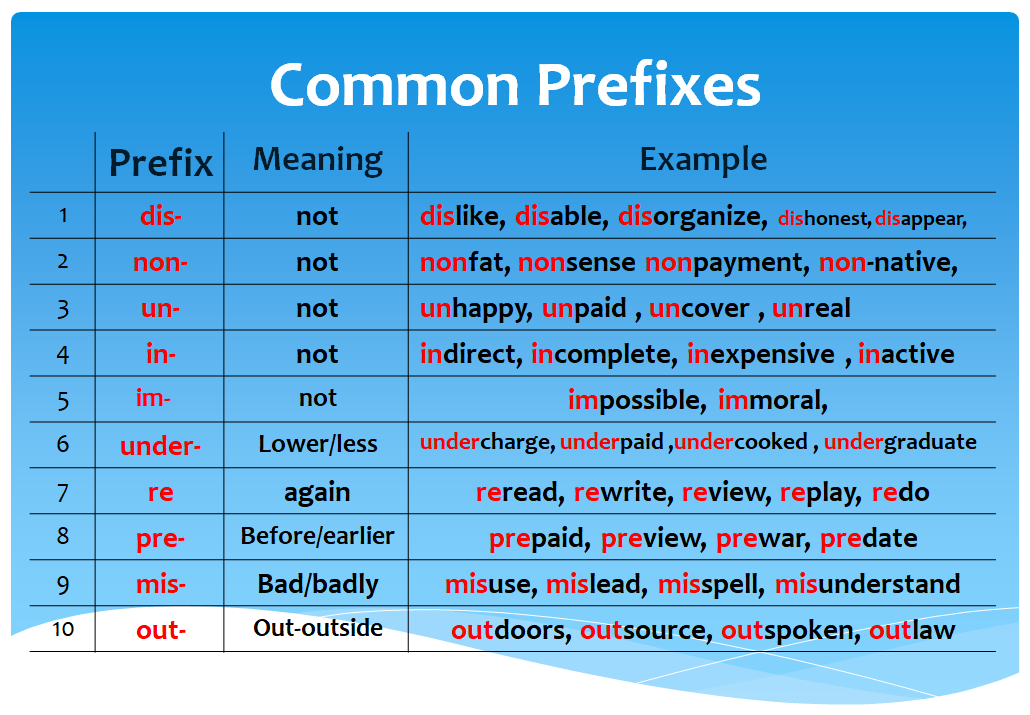
Reading class Word Parts Root prefix suffix ( pages 62 69 ) unit 4
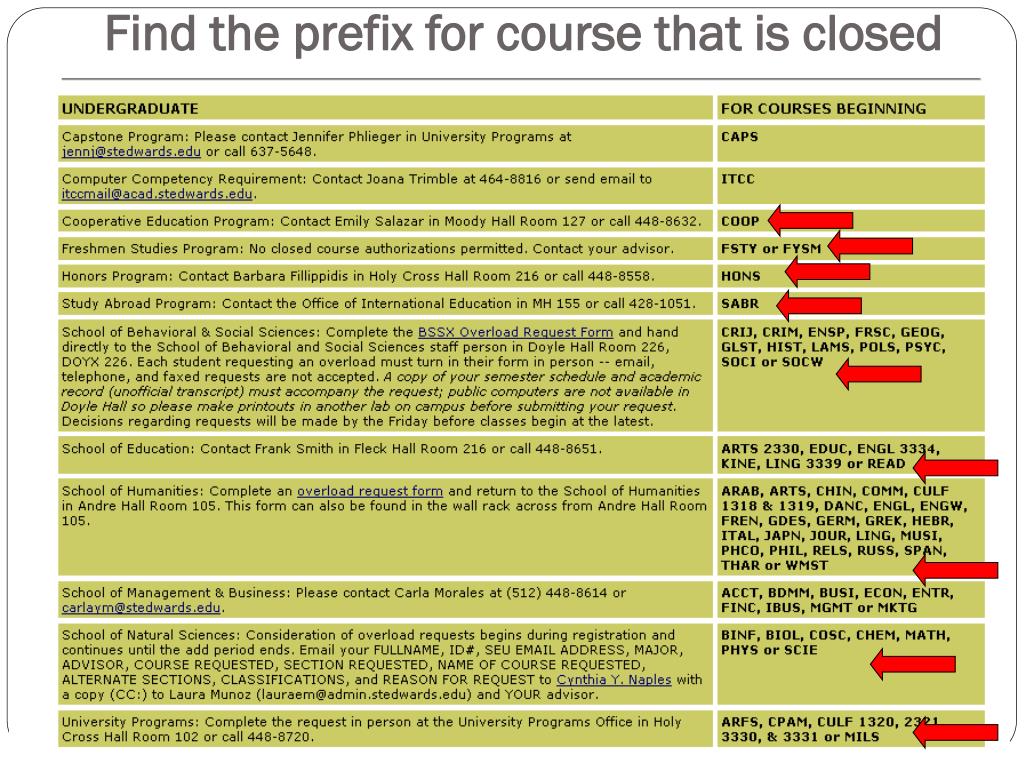
PPT Course Registration Basics PowerPoint Presentation, free download ID3139240

Course Prefix, Number, and Title Doc Template pdfFiller
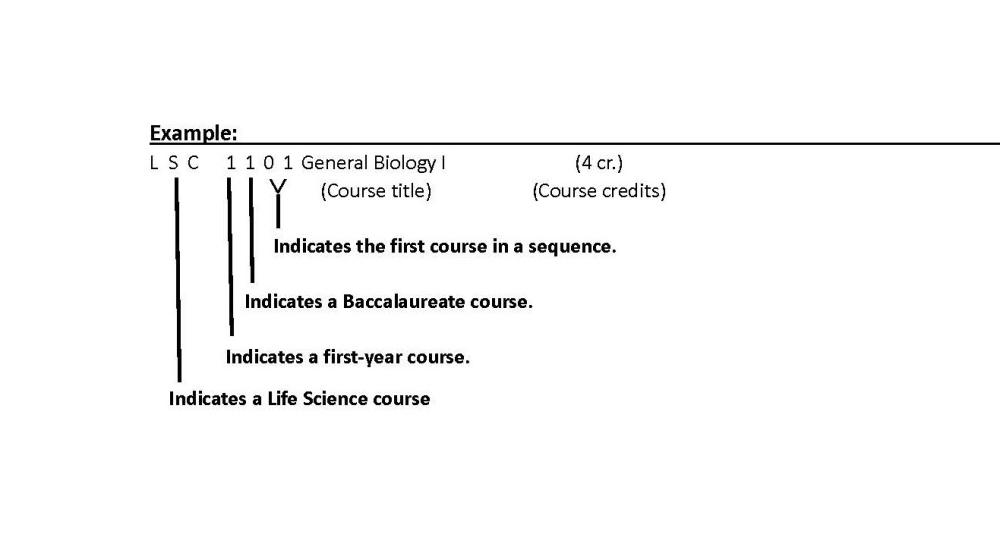
Course Numbers IECC
Medical Terminology Prefix List, Nursing Dictionary, Course Glossary and Quiz — EZmed
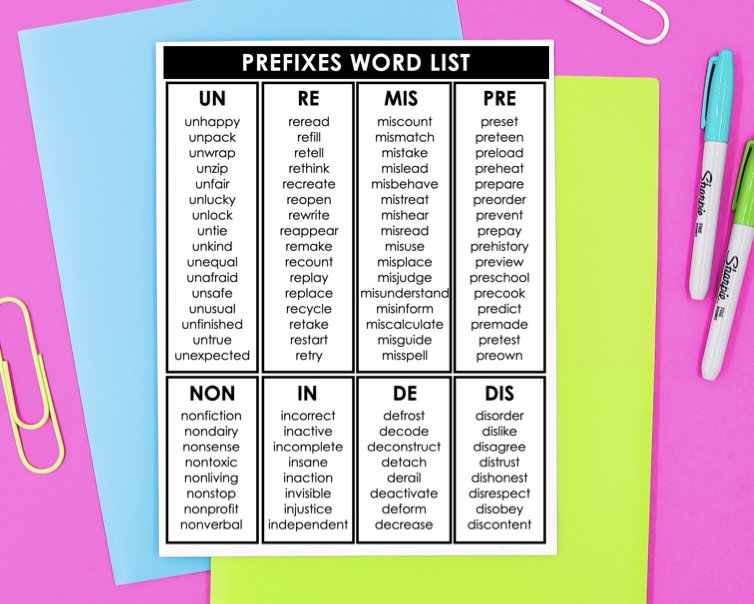
How To Teach Prefixes — The Designer Teacher

Course Codes 101 A Beginner's Guide to Course Codes and Transfer Credit Unbound
A Prefix Is A Word Part That Is Placed In Front Of A Base Word.
This Policy Explains The University's System Of Course Numbering And.
Course Numbers Are An Indication Of The Level Of Difficulty Of A Course.
Courses That Do Not Require Prerequisites Are Available To Students.
Related Post:
