
What Is The Course Concrete Called
What Is The Course Concrete Called - Term used to describe a single horizontal layer, normally of a masonry product consisting of brick, block, tile, etc. It is common practice when identifying or specifying concrete block masonry units to state the block nominal width, the block (course) nominal height, and the block nominal length, in this. Oppositely, coursed rubble masonry construction uses random uncut units, infilled with m… What is a course in brick masonry? They refer to individual units of masonry material that are. A course is a layer of the same unit running horizontally in a wall. Concrete is not cement and cement is. The paste, composed of portland cement and water, coats the surface of the fine and coarse aggregates. Bituminous concrete layer is a mixture of aggregates. Coursed masonry construction arranges units in regular courses. Steel bars or mesh inside. It is common practice when identifying or specifying concrete block masonry units to state the block nominal width, the block (course) nominal height, and the block nominal length, in this. When properly mixed, concrete should harden and become a. Oppositely, coursed rubble masonry construction uses random uncut units, infilled with m… What is a course in brick masonry? Concrete masonry units are classified in accordance with astm c90 as type i or ii (astm, 1999). The paste, composed of portland cement and water, coats the surface of the fine and coarse aggregates. A course is a layer of the same unit running horizontally in a wall. Let's start with the most common mistake people make and that's calling concrete cement or using those terms interchangeably. A course of brick is a single layer of material, which together with all the other. Course blocks are fundamental building elements used primarily in masonry construction. The thickness of the base course varies based on the design. It can also be defined as a continuous row of any masonry unit such as bricks, concrete masonry units (cmu), stone, shingles, tiles, etc. What is a course in brick masonry? This is concrete with a secret weapon: Concrete masonry units are classified in accordance with astm c90 as type i or ii (astm, 1999). Steel bars or mesh inside. Oppositely, coursed rubble masonry construction uses random uncut units, infilled with m… Arranging a layer of uniform units horizontally within a wall is considered a course in brick masonry. This is concrete with a secret weapon: This is concrete with a secret weapon: Bituminous concrete layer is a mixture of aggregates. Oppositely, coursed rubble masonry construction uses random uncut units, infilled with m… Concrete masonry units are classified in accordance with astm c90 as type i or ii (astm, 1999). It can also be defined as a continuous row of any masonry unit such as bricks,. The thickness of the base course varies based on the design. In its simplest form, concrete is a mixture of paste and aggregates. The course provides practical knowledge on concreting techniques which includes testing of materials, indian standard code procedures, design of concrete mix, handling of concrete at. The paste, composed of portland cement and water, coats the surface of. A course of brick is a single layer of material, which together with all the other. This is concrete with a secret weapon: Let's start with the most common mistake people make and that's calling concrete cement or using those terms interchangeably. Bituminous concrete layer is a mixture of aggregates. Term used to describe a single horizontal layer, normally of. Term used to describe a single horizontal layer, normally of a masonry product consisting of brick, block, tile, etc. A course is a layer of the same unit running horizontally in a wall. This is just the beginning! A course of brick is a single layer of material, which together with all the other. Generally, it can be a continuous. When properly mixed, concrete should harden and become a. Generally, it can be a continuous row of. What is a course in brick masonry? The wearing course is typically placed on. Concrete masonry units are classified in accordance with astm c90 as type i or ii (astm, 1999). Arranging a layer of uniform units horizontally within a wall is considered a course in brick masonry. When properly mixed, concrete should harden and become a. In its simplest form, concrete is a mixture of paste and aggregates. Concrete is not cement and cement is. Concrete masonry units are classified in accordance with astm c90 as type i or ii. This is concrete with a secret weapon: The paste, composed of portland cement and water, coats the surface of the fine and coarse aggregates. Bituminous concrete layer is a mixture of aggregates. Generally, it can be a continuous row of. Oppositely, coursed rubble masonry construction uses random uncut units, infilled with m… A course is a layer of the same unit running horizontally in a wall. It can also be defined as a continuous row of any masonry unit such as bricks, concrete masonry units (cmu), stone, shingles, tiles, etc. It is common practice when identifying or specifying concrete block masonry units to state the block nominal width, the block (course) nominal. Term used to describe a single horizontal layer, normally of a masonry product consisting of brick, block, tile, etc. When properly mixed, concrete should harden and become a. Steel bars or mesh inside. Concrete is not cement and cement is. The course provides practical knowledge on concreting techniques which includes testing of materials, indian standard code procedures, design of concrete mix, handling of concrete at. The paste, composed of portland cement and water, coats the surface of the fine and coarse aggregates. Arranging a layer of uniform units horizontally within a wall is considered a course in brick masonry. In its simplest form, concrete is a mixture of paste and aggregates. The thickness of the base course varies based on the design. They refer to individual units of masonry material that are. Let's start with the most common mistake people make and that's calling concrete cement or using those terms interchangeably. A course is a layer of the same unit running horizontally in a wall. Oppositely, coursed rubble masonry construction uses random uncut units, infilled with m… Generally, it can be a continuous row of. It is common practice when identifying or specifying concrete block masonry units to state the block nominal width, the block (course) nominal height, and the block nominal length, in this. It can also be defined as a continuous row of any masonry unit such as bricks, concrete masonry units (cmu), stone, shingles, tiles, etc.
Damp Proof Course (DPC) Methods of DPC application in Construction
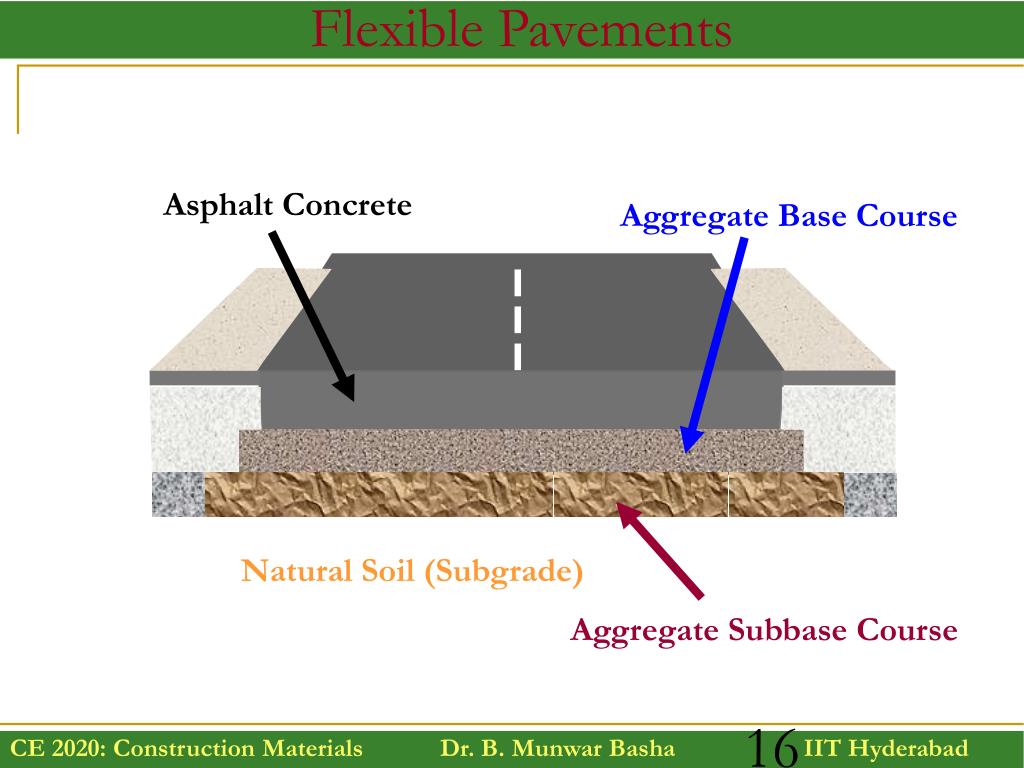
PPT Pavement Types PowerPoint Presentation, free download ID1634873
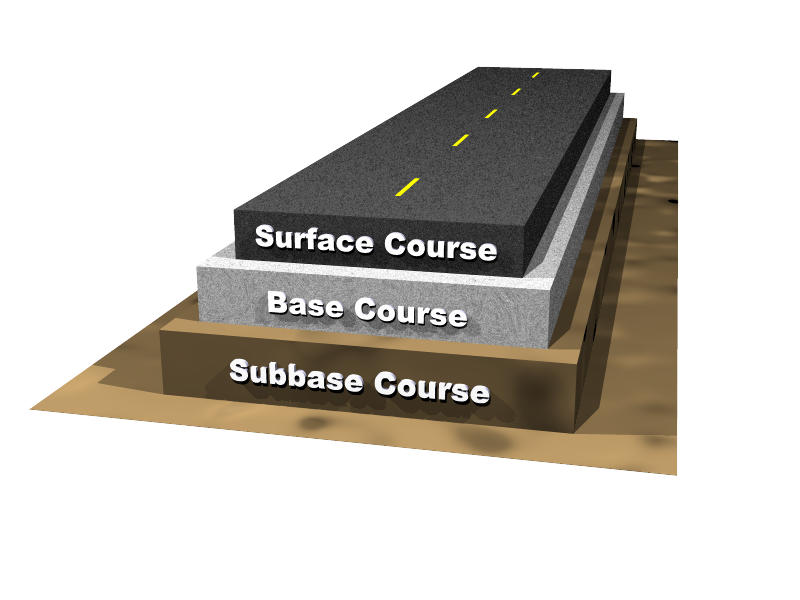
Pavement Interactive
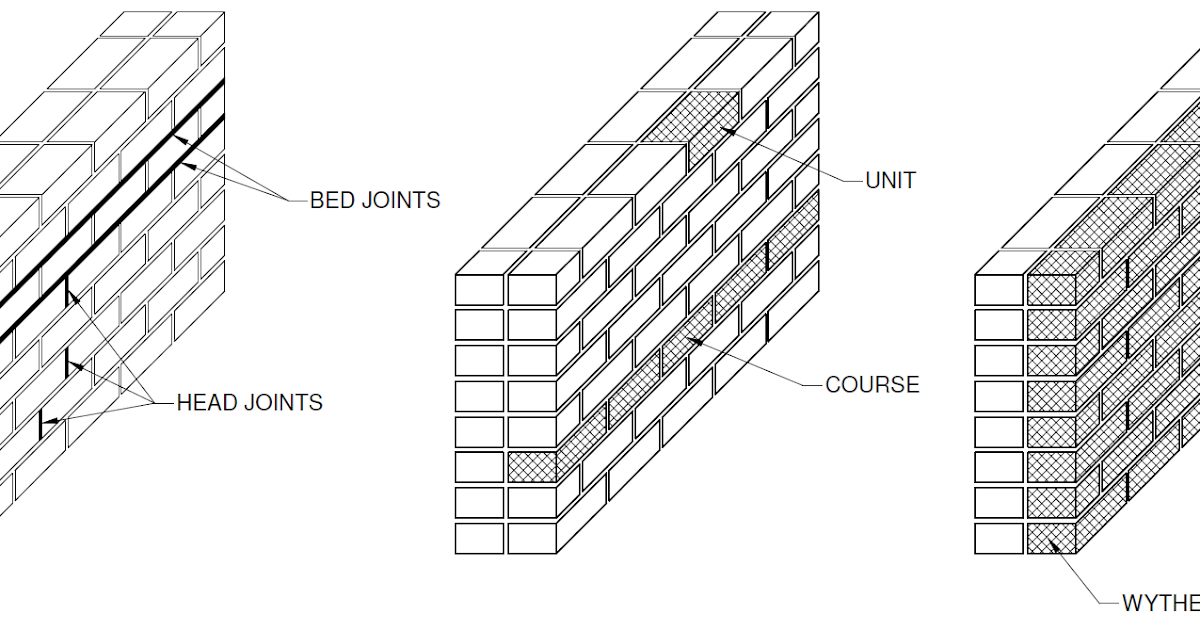
To Engineer is Human Masonry Terminology

Damp Proof Course (DPC) Methods of DPC application in Construction
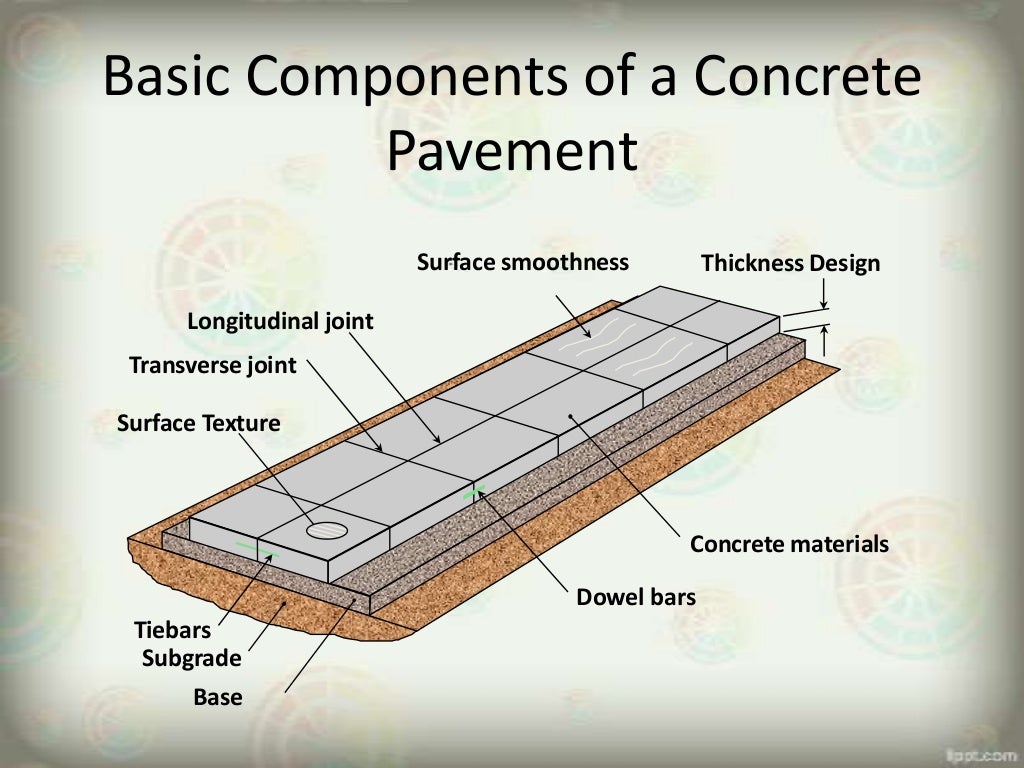
CONSTRUCTION OF CEMENT CONCRETE ROAD

Damp Proof Course (DPC) Methods of DPC application in Construction
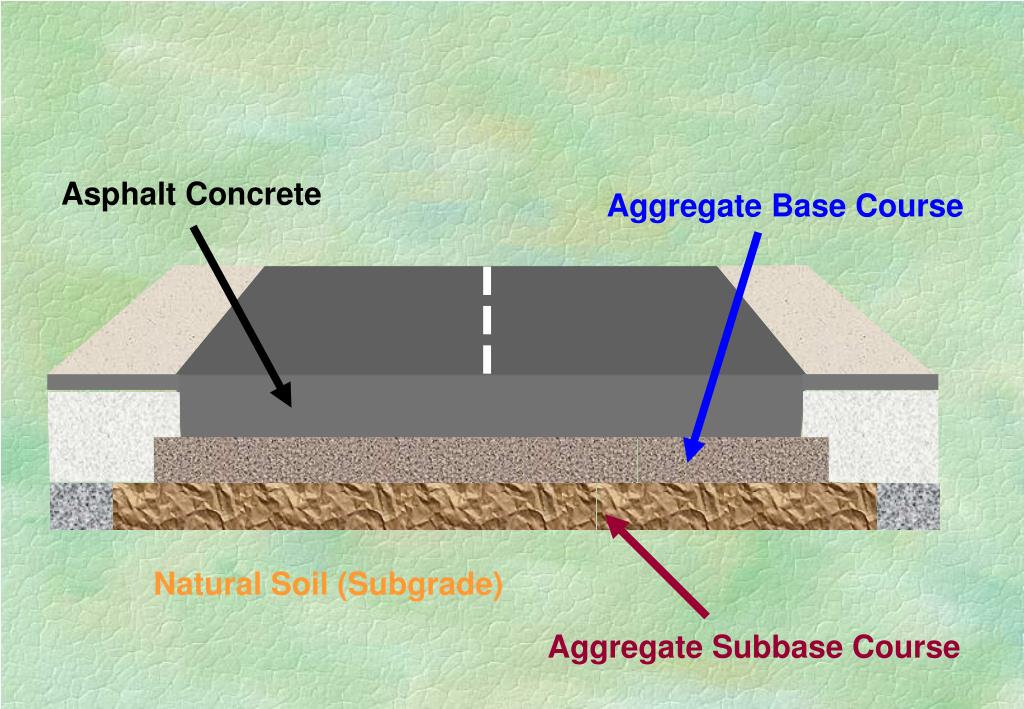
PPT Introduction to Pavement Design Concepts PowerPoint Presentation

Asphaltic Concrete Wearing Course LukeknoeWeeks
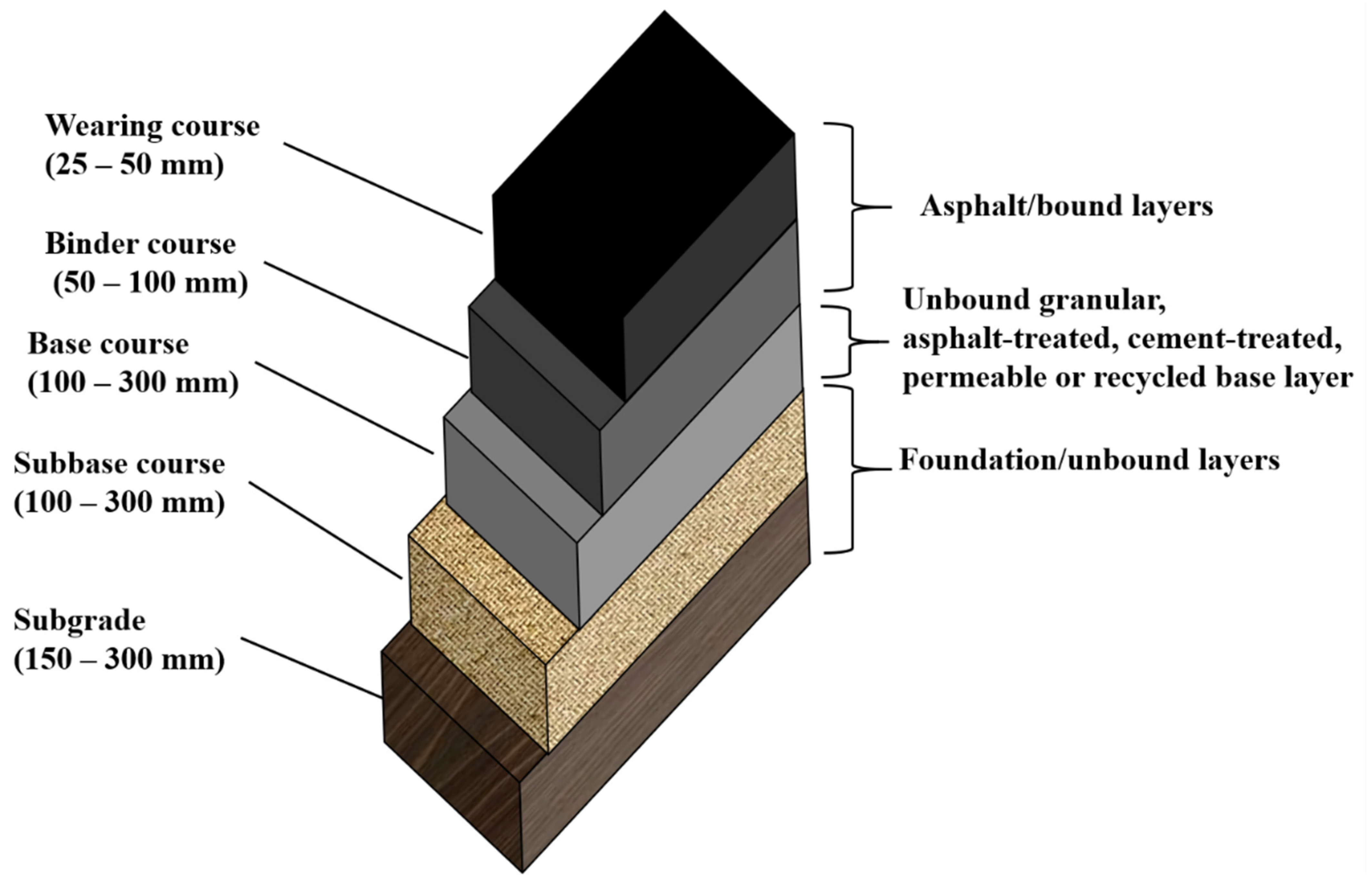
Application of RAP in Asphalt Concrete Pavements Encyclopedia MDPI
This Is Just The Beginning!
What Is A Course In Brick Masonry?
Coursed Masonry Construction Arranges Units In Regular Courses.
Bituminous Concrete Layer Is A Mixture Of Aggregates.
Related Post: